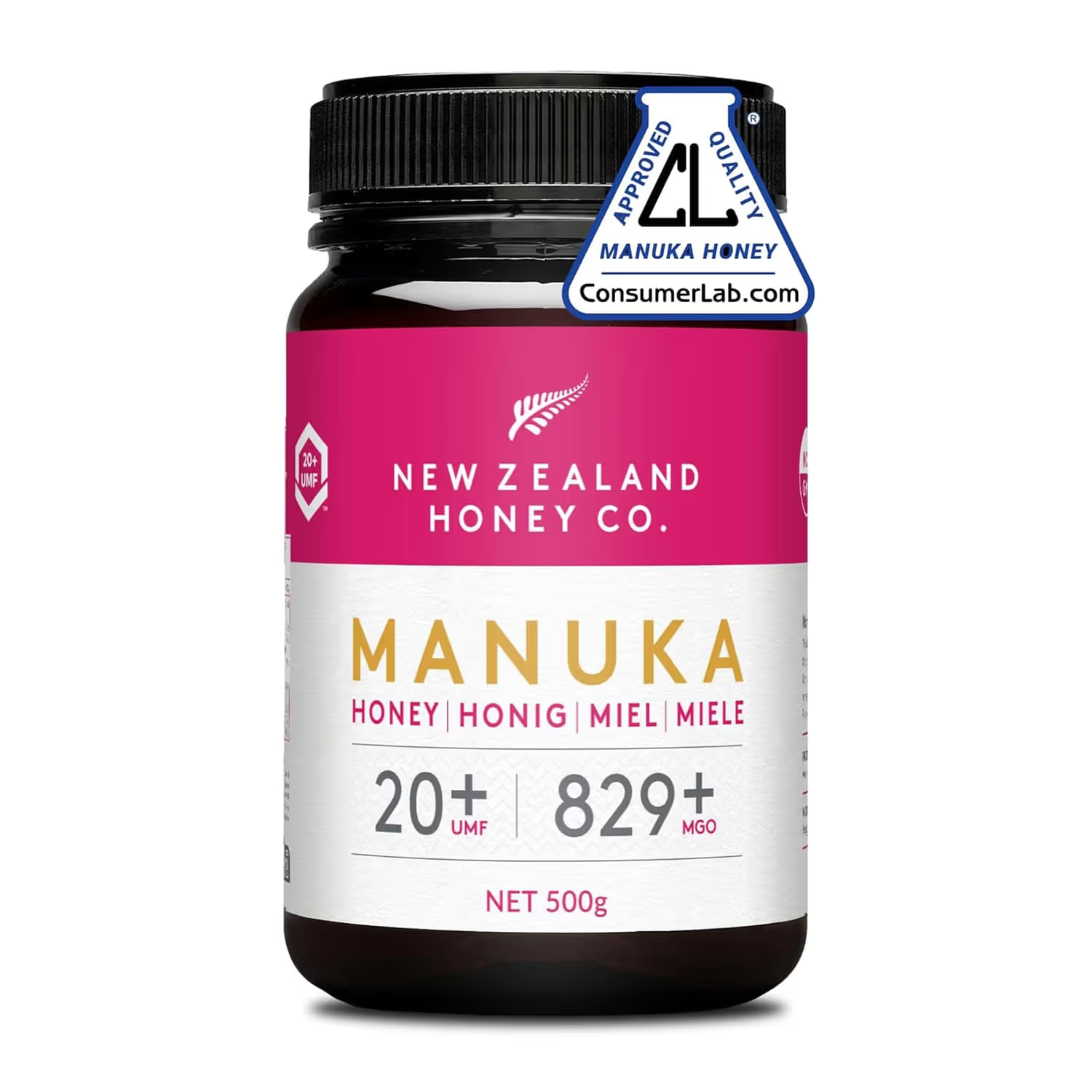
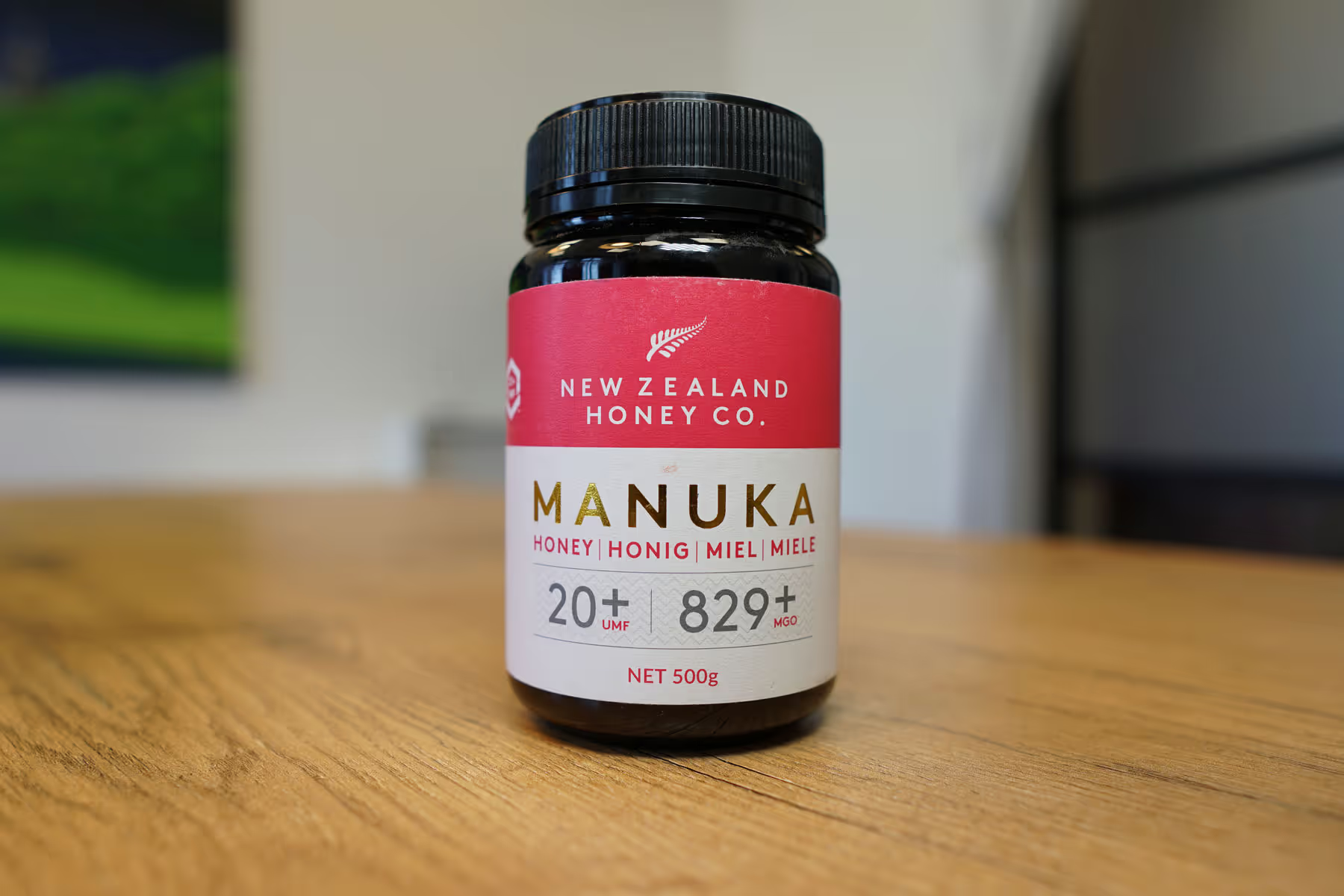
NEW ZEALAND HONEY CO. Manuka Honey UMF 20+ MGO 829+ 500g
_img_05_500g.jpg)
_img_06.avif)
_img_07.avif)
_img_08.avif)
_img_09_500g.jpg)
_img_10.jpg)
_img_11_UMF20.avif)
_img_12.avif)
At Deutsches Test Institut (DTI), products are assessed holistically from a consumer perspective. For foods and dietary supplements, the performance of the test requires the manufacturer to provide corresponding external laboratory analyses. DTI does not conduct its own laboratory analyses. The submitted documents are not verified in terms of their content, but are assessed exclusively from a consumer perspective with regard to plausibility and recognizable assignment to the tested product. The manufacturer is solely responsible for the accuracy, completeness, and timeliness of these documents. Further information on classification can be found in our article “Food Warnings, Product Tests and Consumer Protection”.


- 100% natural Manuka honey from New Zealand
- UMF certification with PureTrace traceability
- Externally lab-tested MGO content
- Monofloral Manuka honey
- Light-blocking container with UV protection
- Two-stage tamper-evident protection
- Impact-resistant PET container


- PET containers look less premium than glass
- No additional outer packaging
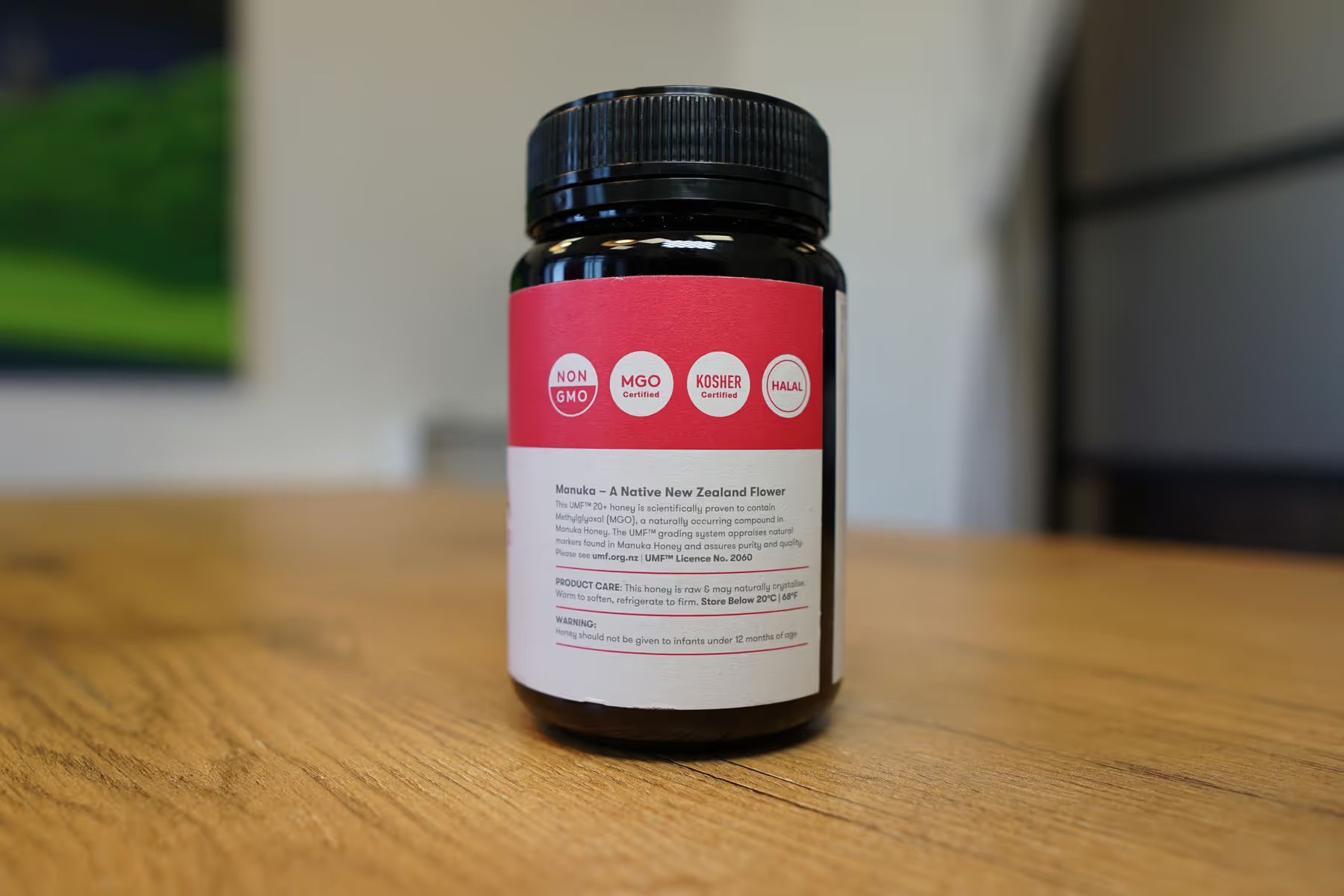
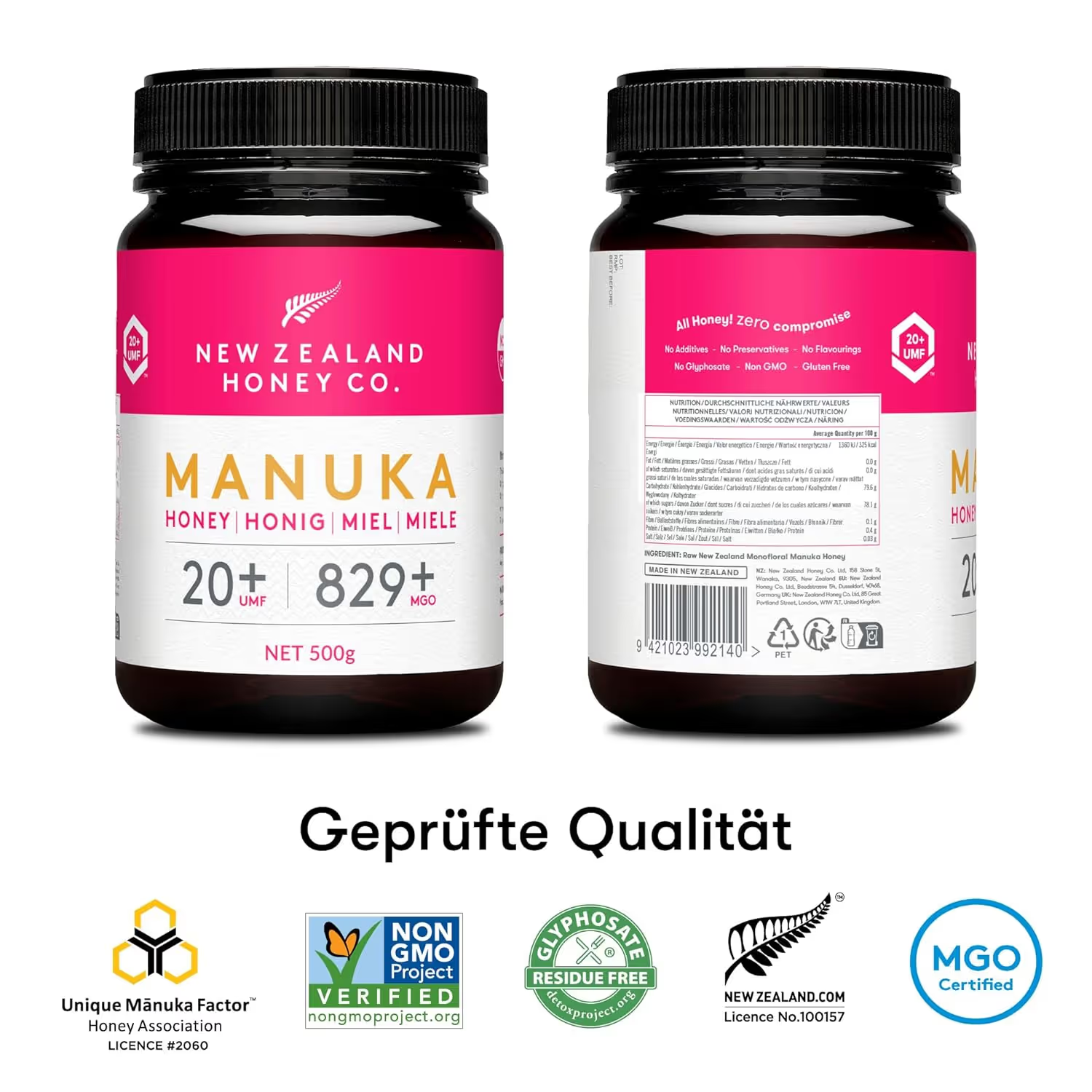
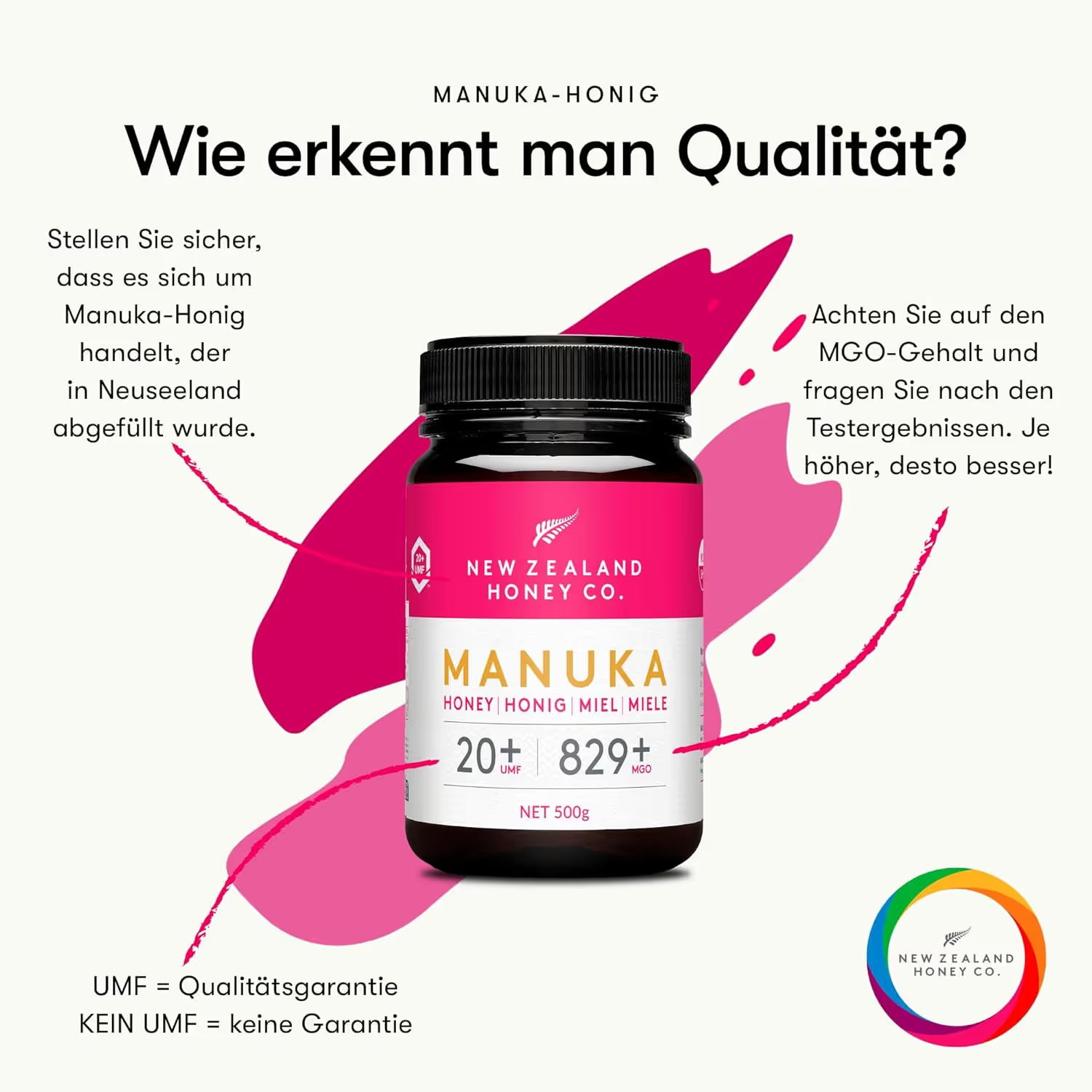
For consumers, the key factors for Manuka honey are verifiable origin, quality grade, and traceability. The New Zealand Honey Co. Manuka Honey made a particularly good impression in the test: the UMF and MGO values were clearly stated and plausibly substantiated by external documents. The batch-specific UMF certification, which can be verified via PureTrace's batch verification system, was particularly positive. The manufacturer's website also provides good guidance, as it clearly explains the Manuka product line and makes the differences between the variants clear and accessible to consumers. The MGO400+ variant is an exception within the tested product line: it is not marked as UMF-certified but has a laboratory report confirming its MGO content; from a consumer perspective, this can be a more affordably priced alternative within the product line.
In everyday use, the product is uncomplicated. The dark PET containers protect the honey from light exposure, are secure in hand, and are easy to open. The opening is large enough to cleanly remove the honey with a teaspoon or tablespoon. Also positive is the double tamper-evident seal, consisting of a safety ring and an inner seal, which would make any prior opening easily detectable.
Sensorially, the honey exhibited a typical Manuka profile without noticeable off-notes. Differences between the tested UMF and MGO levels were perceptible in color, consistency, and intensity. However, since color and consistency can vary due to batch, temperature, and storage conditions, the respective level cannot be reliably determined by taste or appearance alone. The crucial factors here are the available laboratory reports, certificates, and batch information. Nevertheless, a comparison showed that variants with higher MGO or UMF values tended to be more intense and robust, while lower levels were usually milder. Higher values can also be perceived as harsher or slightly more bitter in taste.
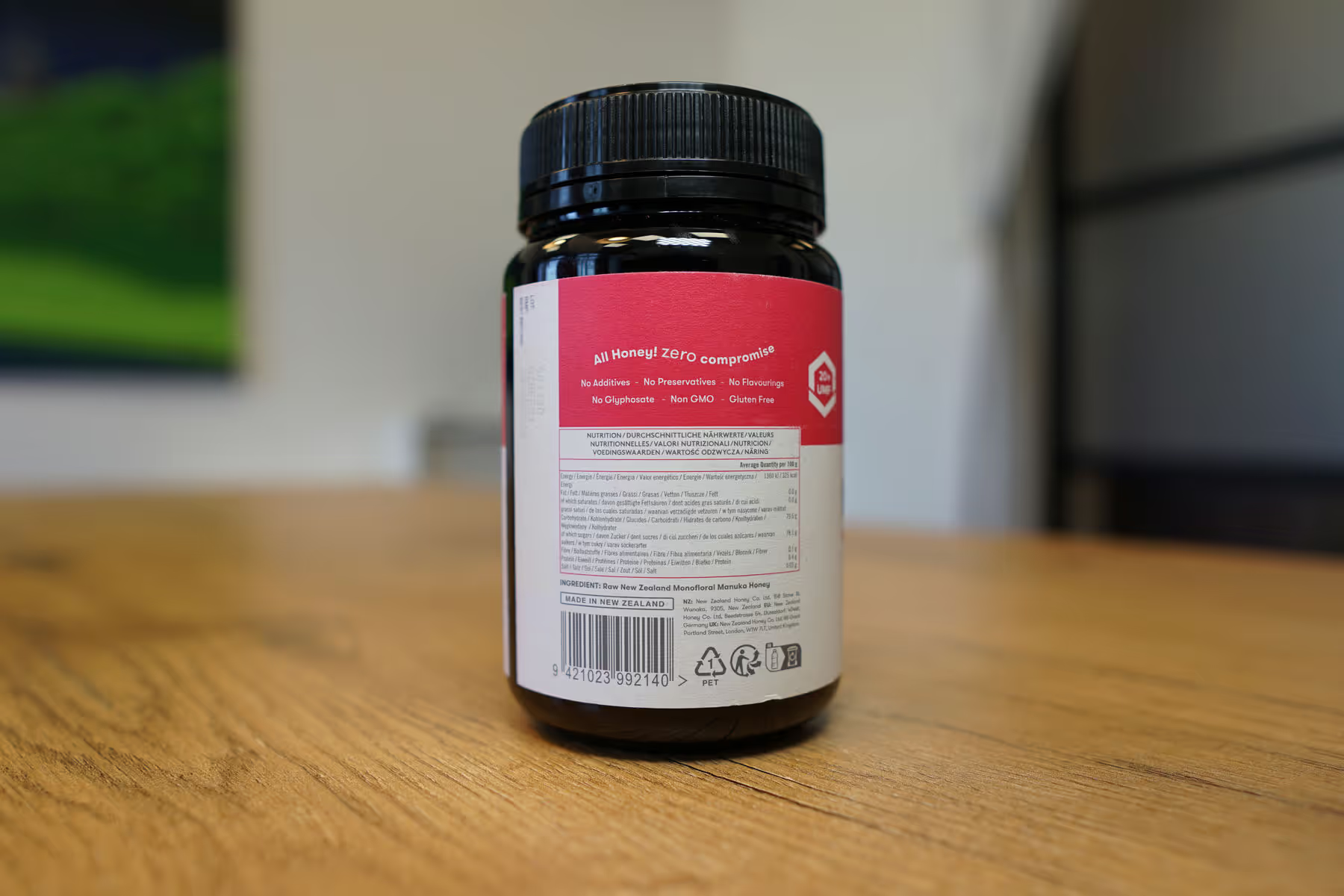
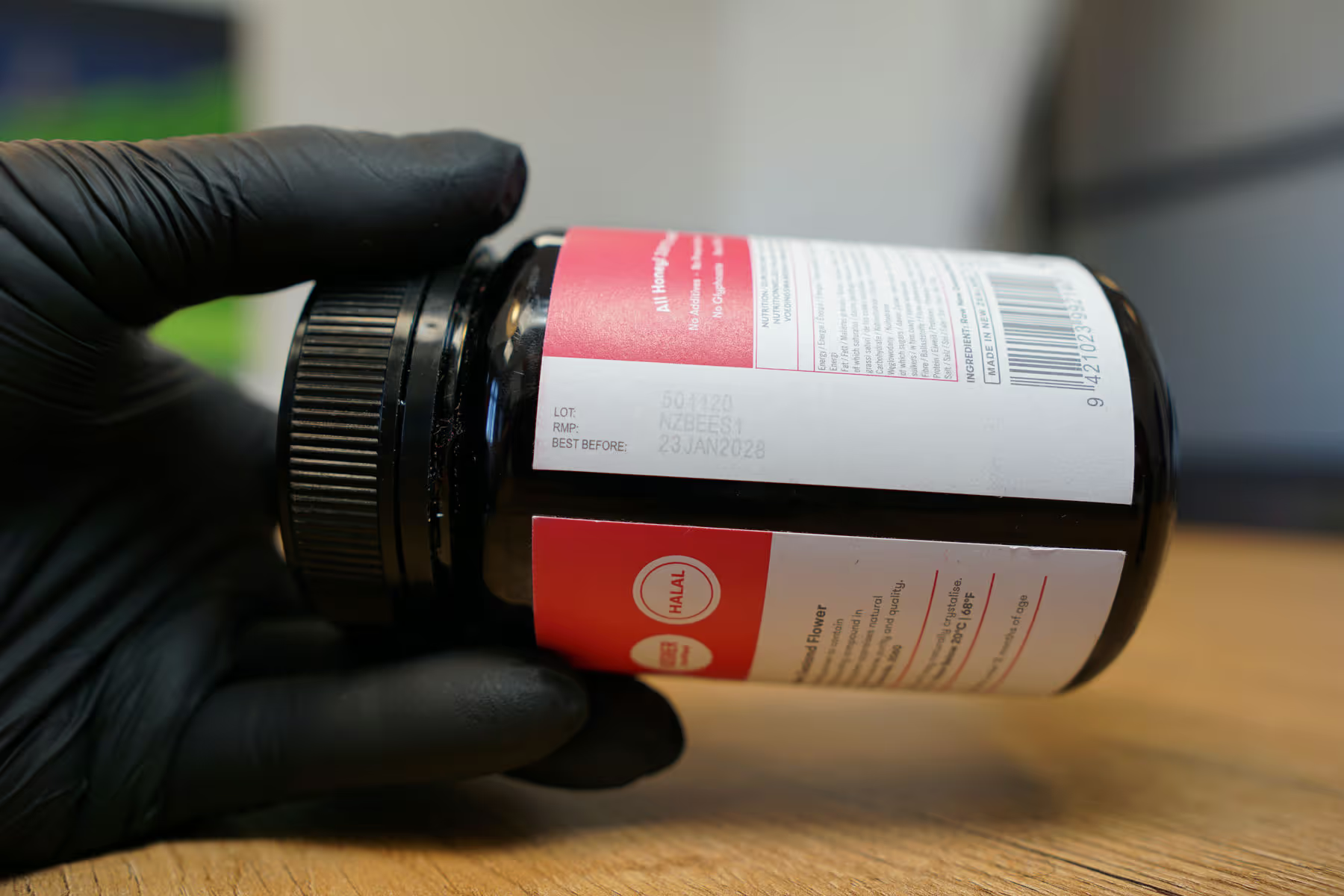
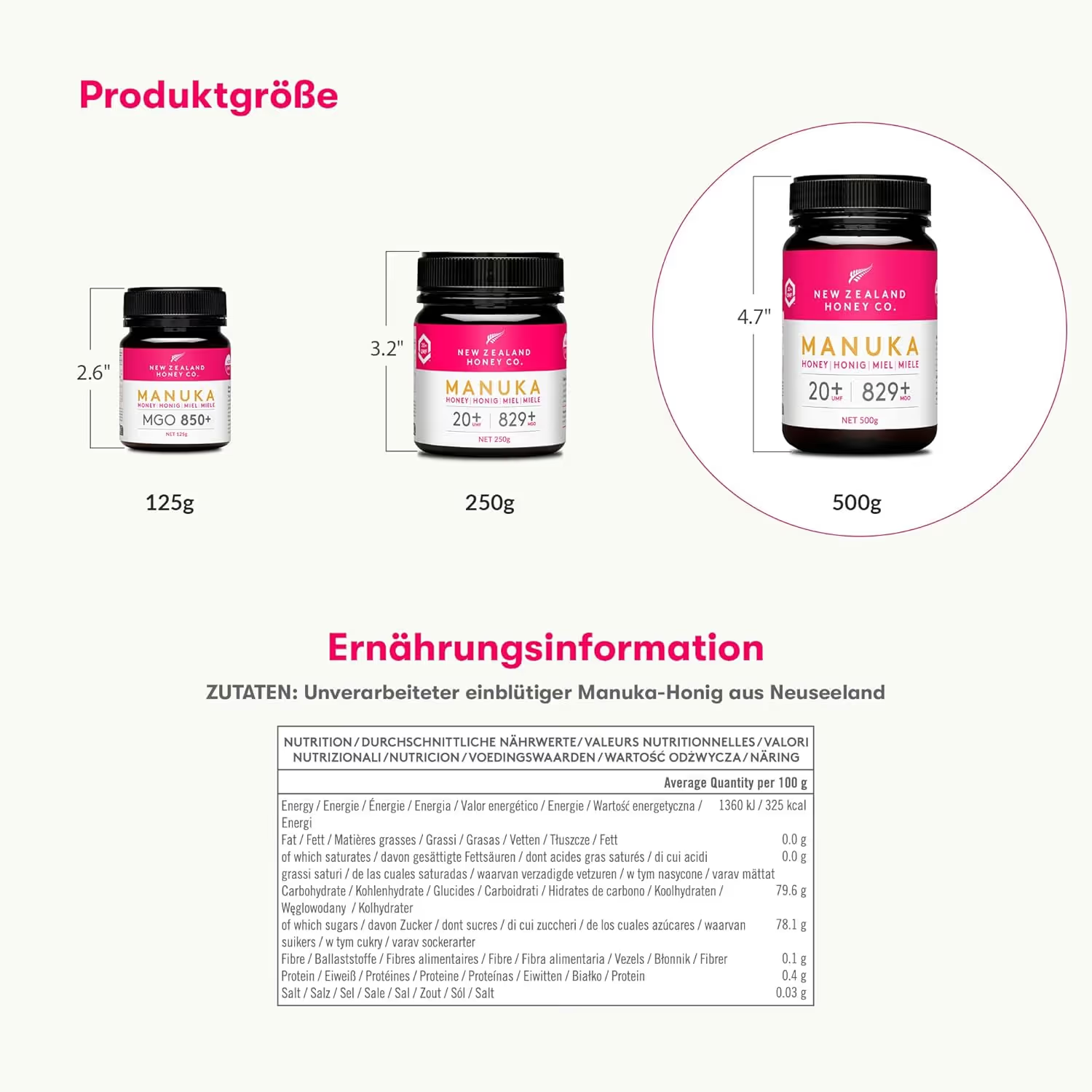
Minor limitations concerned individual packaging and labeling details. The tested variants were delivered without additional outer packaging; this meant that the containers and labels were more directly exposed during shipping and handling, resulting in visibly scratched or slightly damaged labels on some samples. Furthermore, some information is provided only in English, and very small details such as nutritional values are not comfortably readable for everyone.
Overall, the New Zealand Honey Co. Manuka Honey proved to be a coherent product with demonstrably high-quality honey and excellent traceability. Its strongest point lies in its transparent quality documentation: UMF certification, batch verification via PureTrace, and clear information about the product line provide consumers with a solid basis for realistically assessing each variant.
Note on assessment: At DTI, products are evaluated holistically from a consumer perspective. For food and dietary supplements, the testing process requires the manufacturer to provide corresponding external laboratory analyses. Our own laboratory analyses are not conducted. The health benefits of Manuka honey were also not assessed in this test.




_listing_05.avif)
_listing_06.avif)
_listing_07.avif)
_listing_08.avif)
_listing_09.avif)