NEWBEELAND Manuka Honey MGO 400+ 250g
_img_05.avif)
_img_06.avif)
_img_07.avif)
_img_08.avif)
_img_09.avif)
_img_10.avif)
_img_11.avif)
_img_12.avif)
_img_13.avif)
_img_14.avif)
_img_15.avif)
_img_16.avif)
_img_17.avif)
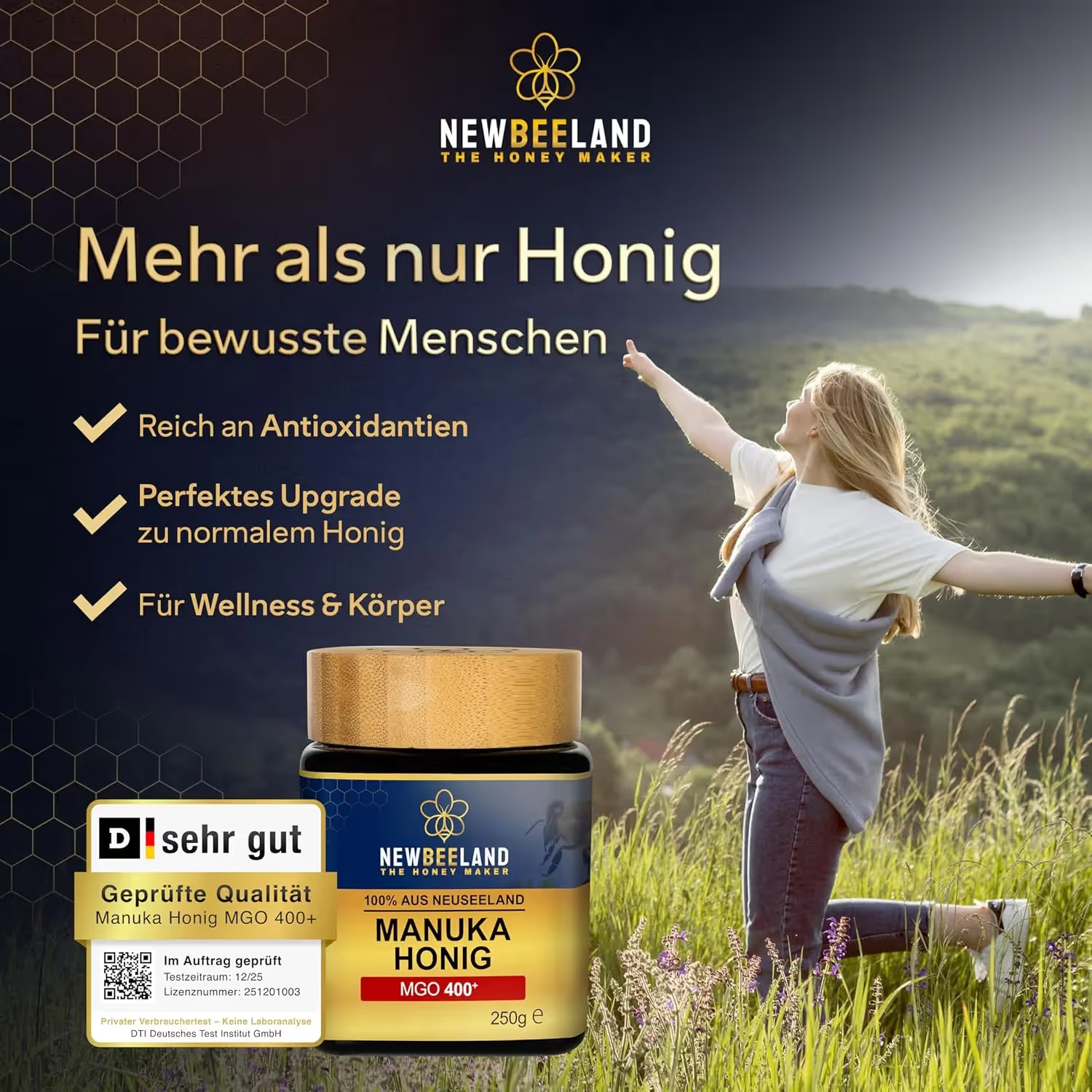
At Deutsches Test Institut (DTI), products are assessed holistically from a consumer perspective. For foods and dietary supplements, the performance of the test requires the manufacturer to provide corresponding external laboratory analyses. DTI does not conduct its own laboratory analyses. The submitted documents are not verified in terms of their content, but are assessed exclusively from a consumer perspective with regard to plausibility and recognizable assignment to the tested product. The manufacturer is solely responsible for the accuracy, completeness, and timeliness of these documents. Further information on classification can be found in our article “Food Warnings, Product Tests and Consumer Protection”.


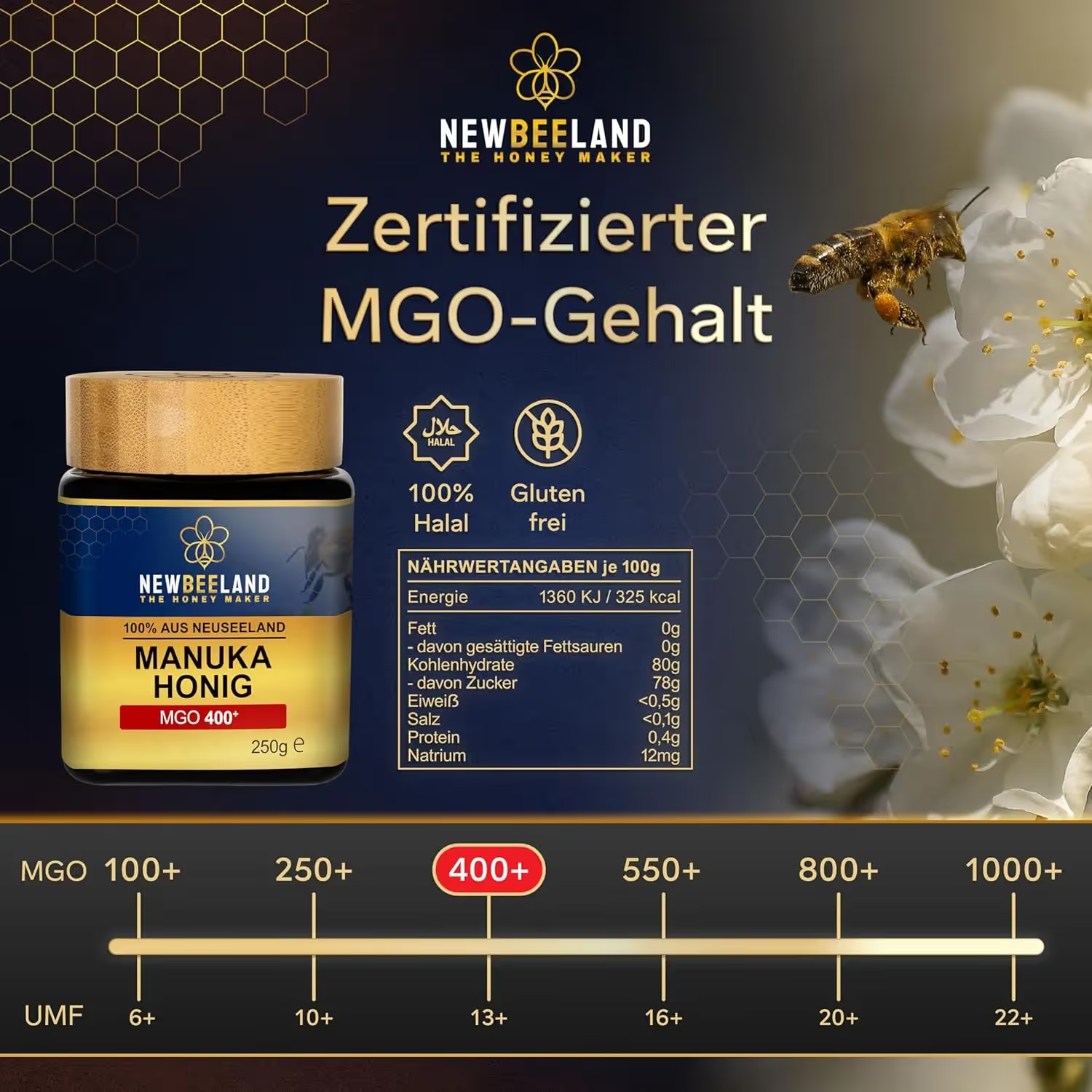
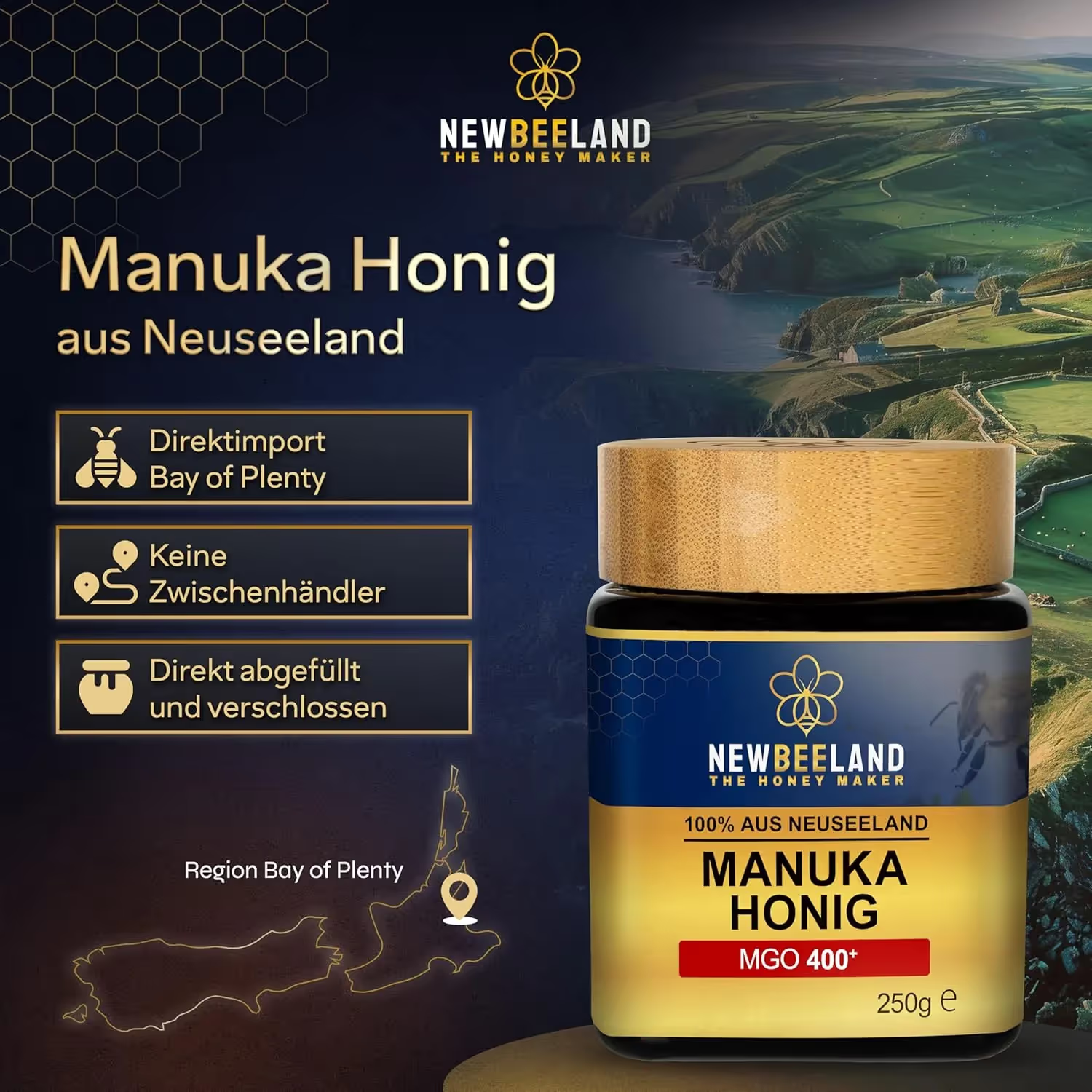
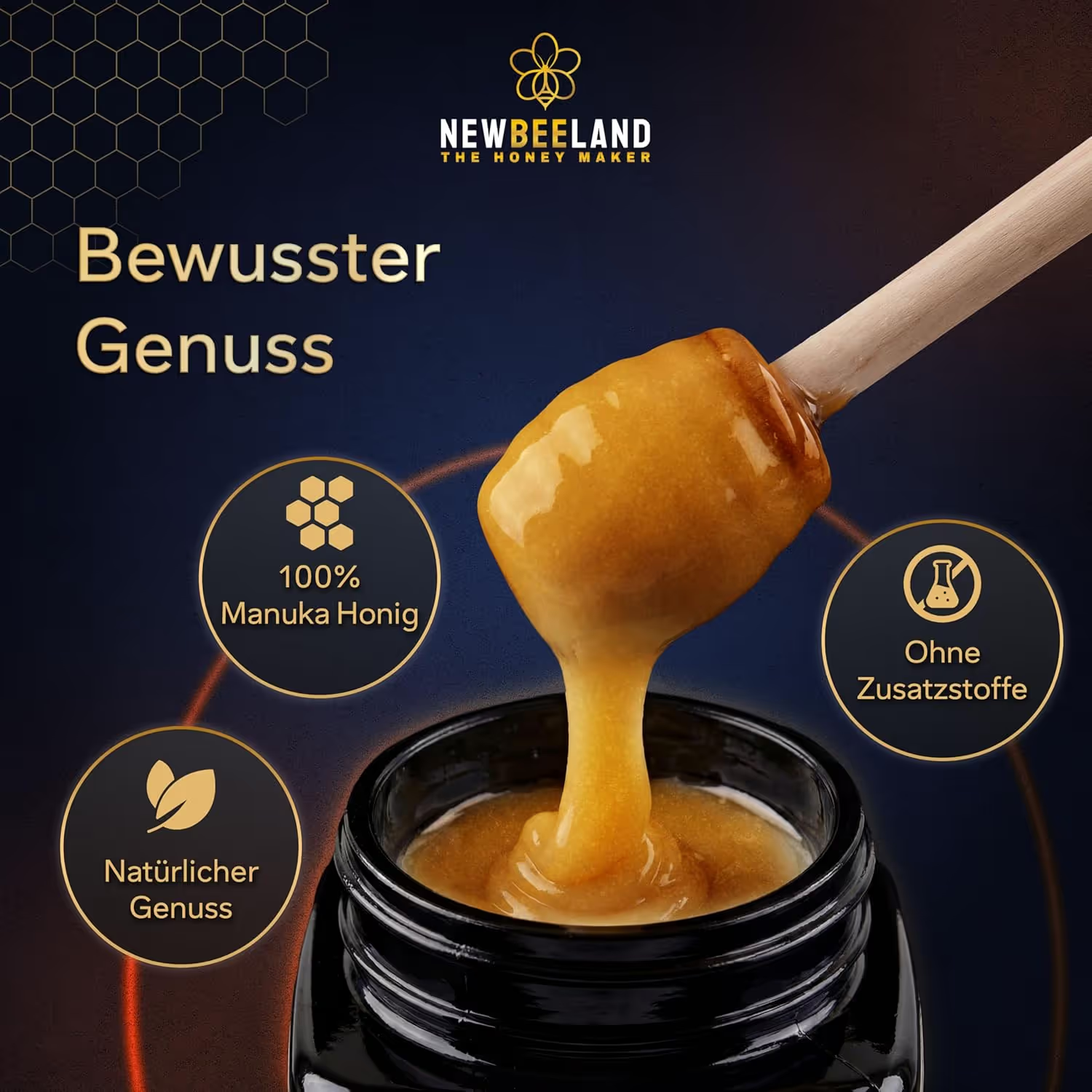
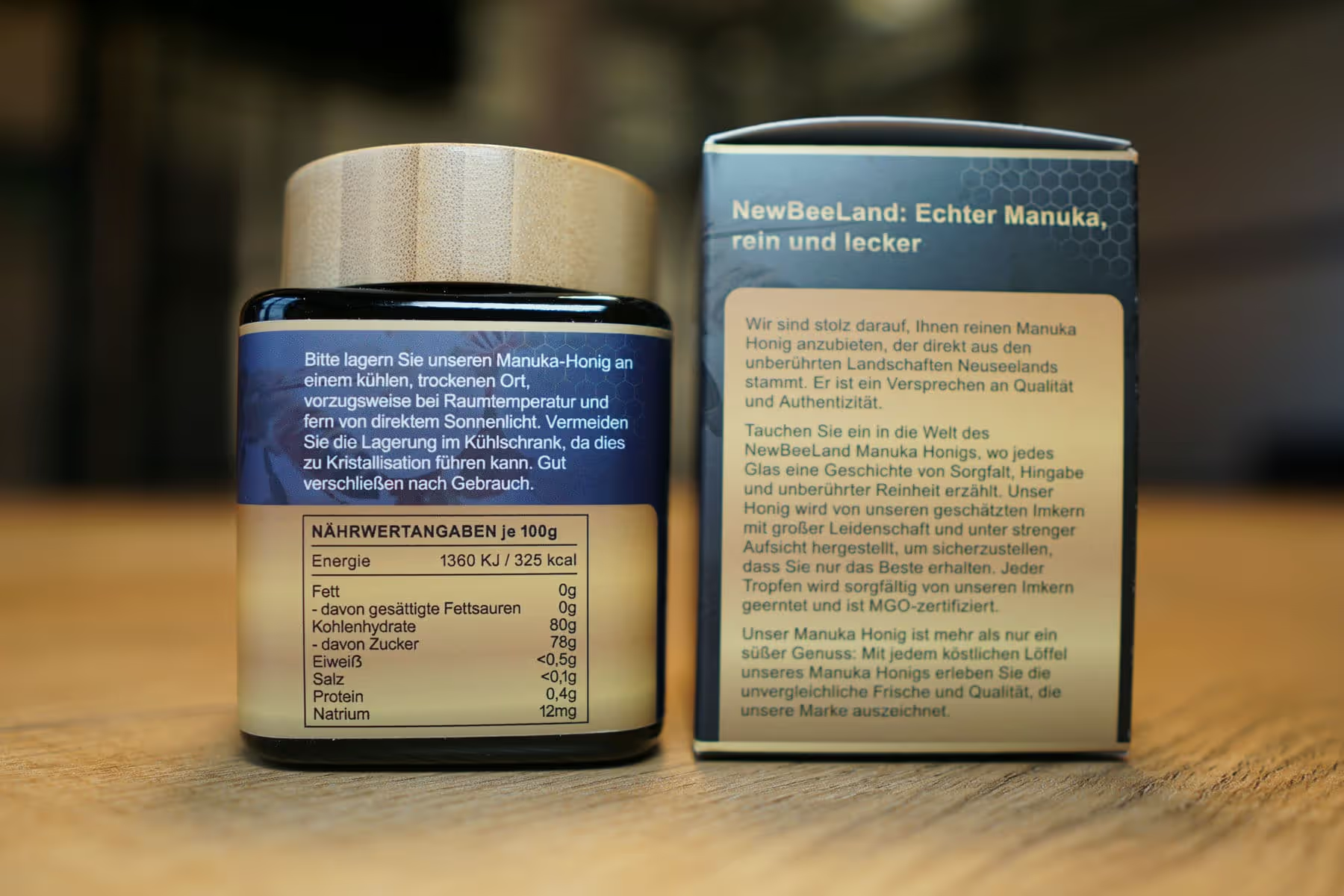
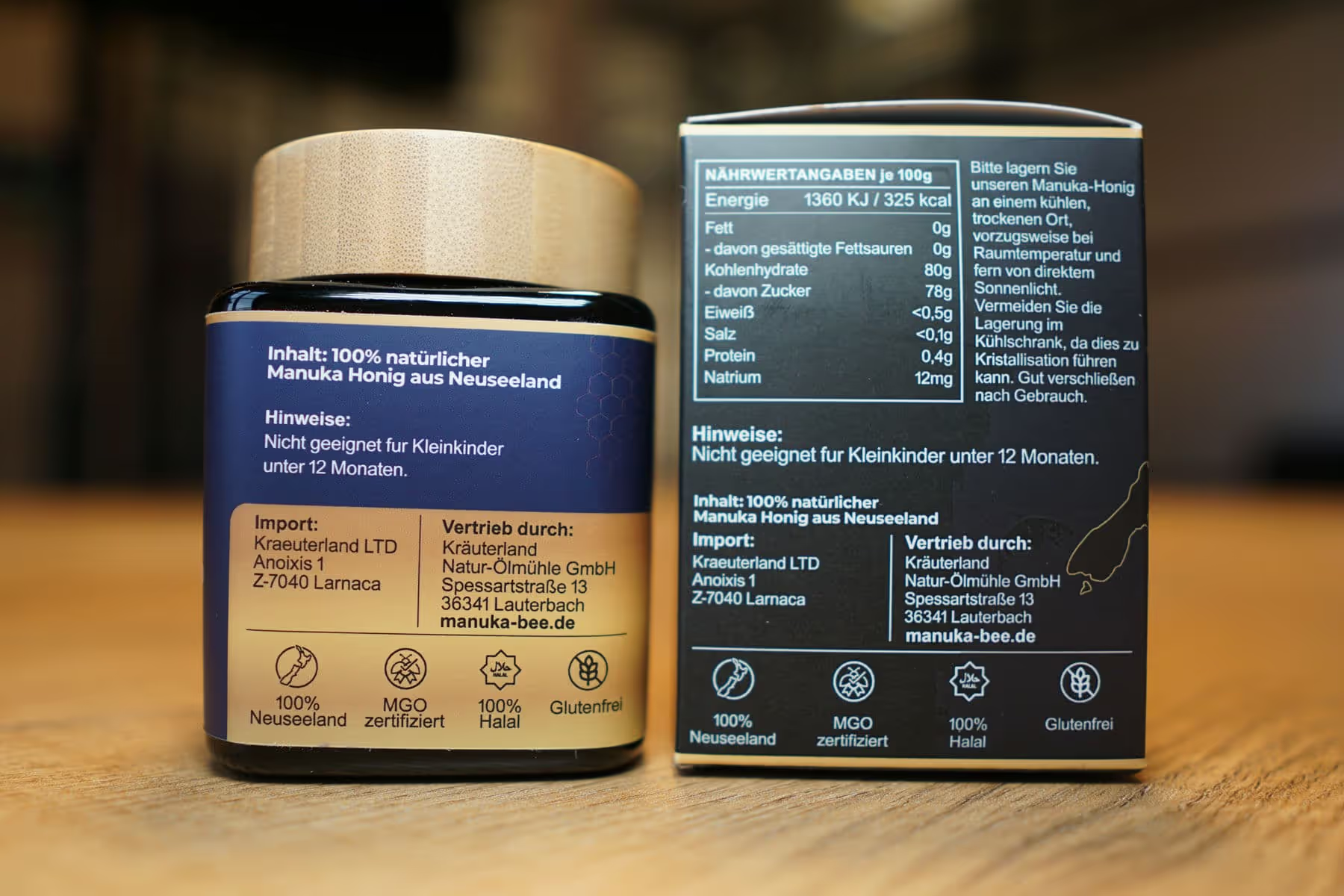
- 100% natural Manuka honey from New Zealand
- Lab-tested MgO value
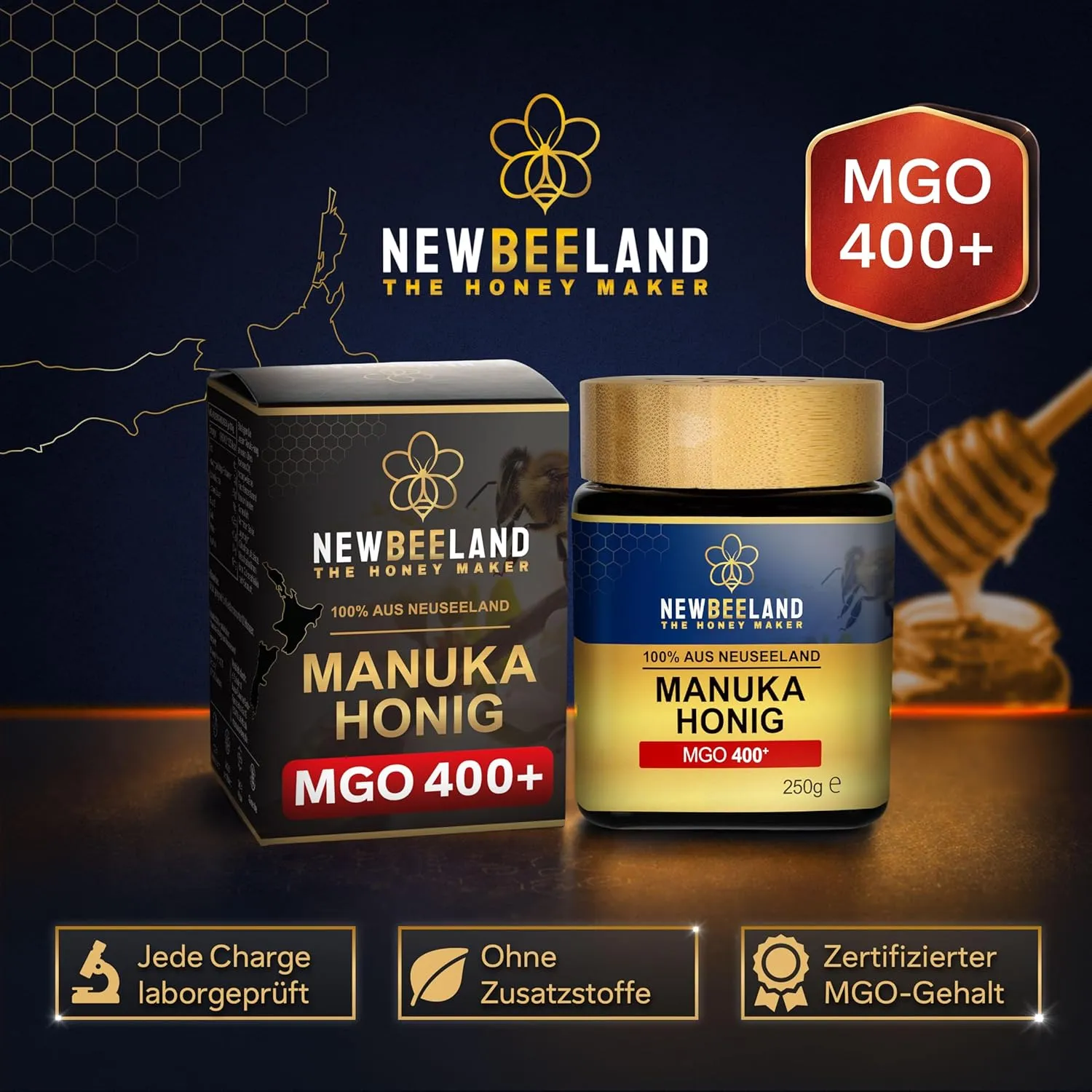
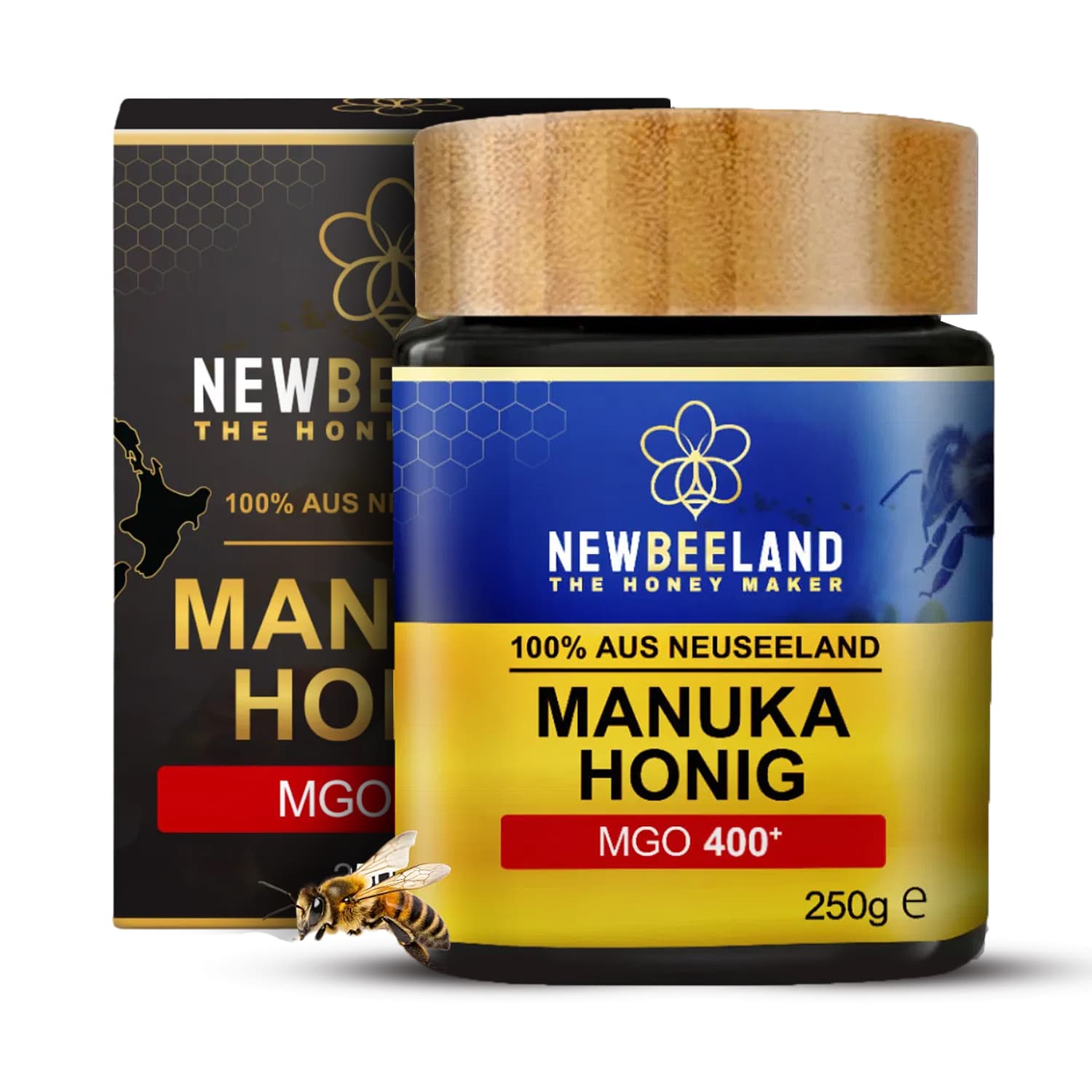
- Robust glass instead of plastic (high-quality, stable packaging impression)
- Light-protected dark glass
- Real natural bamboo lid
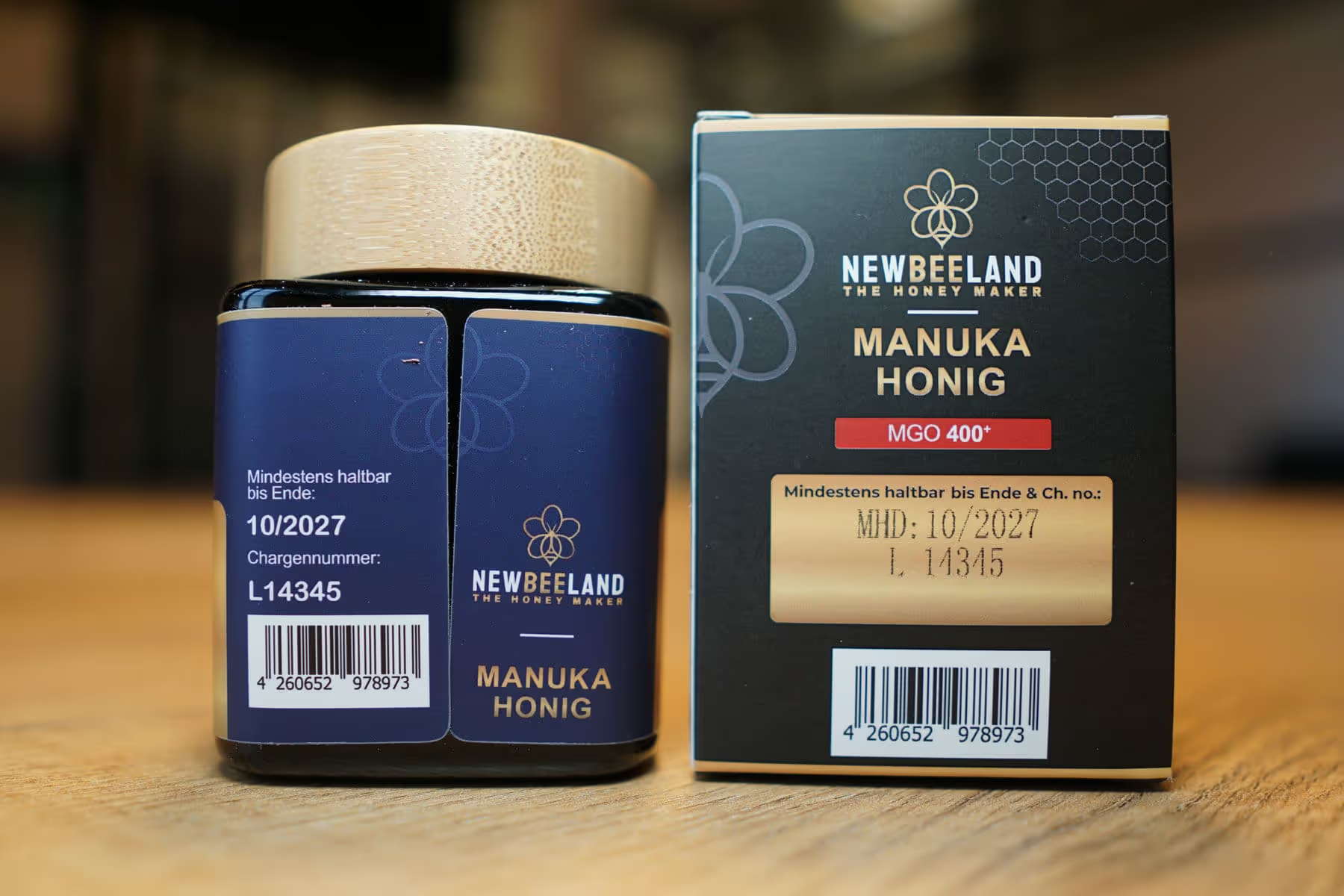
- First opening protection available


- Wood thread in the lid on glass thread partly difficult
- Bamboo cover is more susceptible to breakage when dropped due to fiber
Manuka honey is usually bought because of origin, quality level (MGO) and taste. Regardless of the formal test objective, consumers estimate how consistent packaging, handling and sensory impressions are in everyday life and whether labeling and use remain clearly comprehensible.
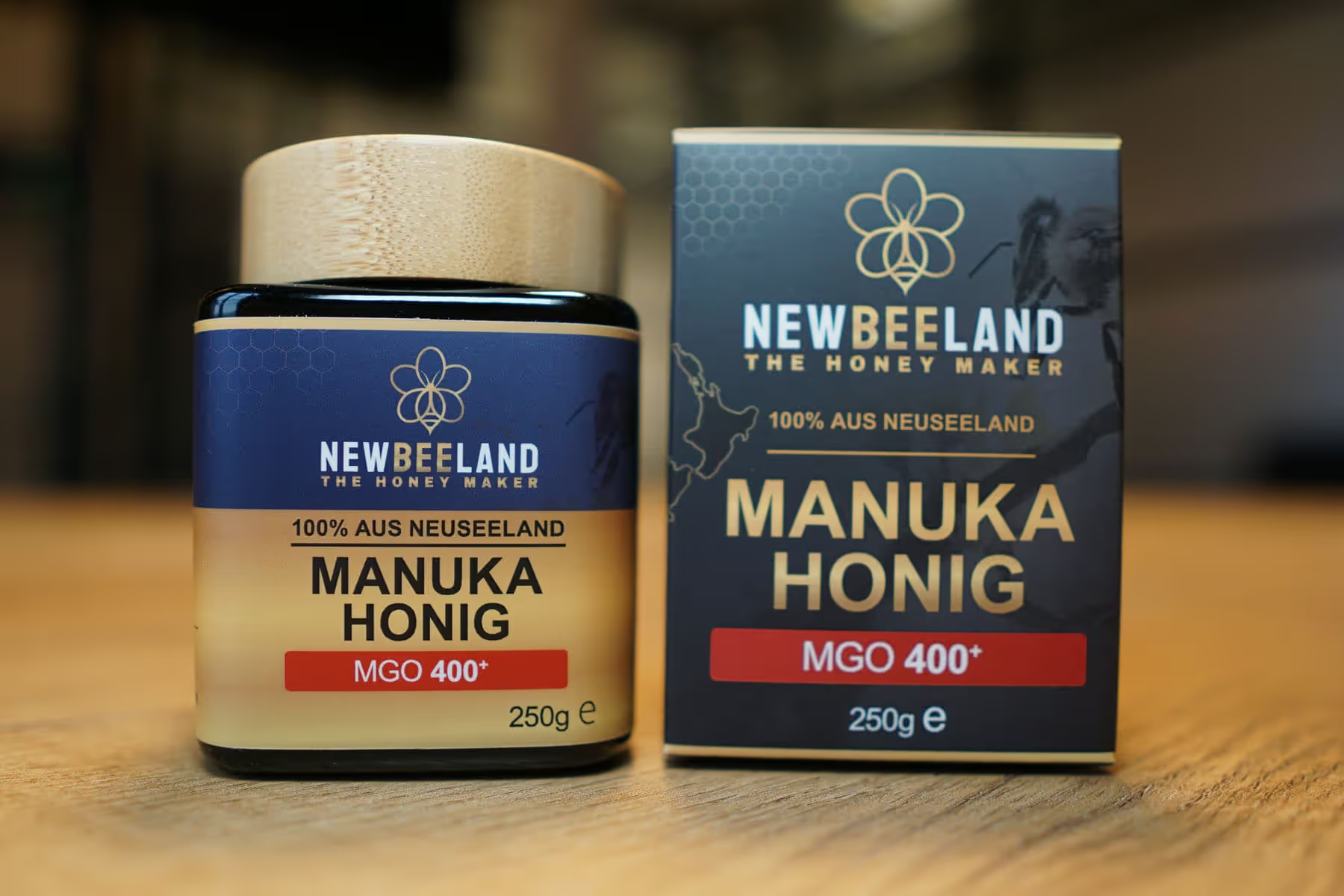
Packaging & first impression: Even when unpacked, the honey gives off a high-quality overall impression. The dark glass looks robust and high-quality, the labeling is clean and easy to read. The bamboo lid underlines the natural appeal of the product and visually creates a high-quality, sustainable appearance. The existing initial opening protection, which is clearly visible before first use and creates trust in the integrity of the product, is also positive.
Handling & removal in everyday life: In daily use, the glass proves to be stable and easy to handle. The large opening (approx. 45 mm) allows clean removal with both tea and tablespoon. The bamboo lid sits firmly and securely, but does not always run evenly on the glass thread when opened and closed; a little more force may be required, especially when opened for the first time.
Practical experience (direct tasting): When tasted directly, the honey has a coherent, typical flavor profile. Color, consistency and mouthfeel look high-quality and typical of the variety. When comparing the MGO levels directly, differences in intensity and taste are noticeable, without any noticeable foreign notes.
Practical impression (use as a sweetener in tea): Honey is easy to use as a sweetener in tea, provided that — as recommended — it is only stirred in when the temperature is not boiling. The sweetness is clearly noticeable, which is why a conscious, economical dosage makes sense.
Material note: The bamboo cover looks natural and high-quality, but as a natural material it is more sensitive to falls or severe mechanical stress due to the fibers. The glass itself looks robust overall.
Conclusion from a consumer perspective: An overall high-quality Manuka honey with good everyday usability, clean extraction, coherent sensors and clear MGO positioning. Consumer advice: Honey should be used consciously and moderately. For use in hot drinks, it is recommended to stir in the honey only after it has cooled down in order to maintain optimal taste and quality.