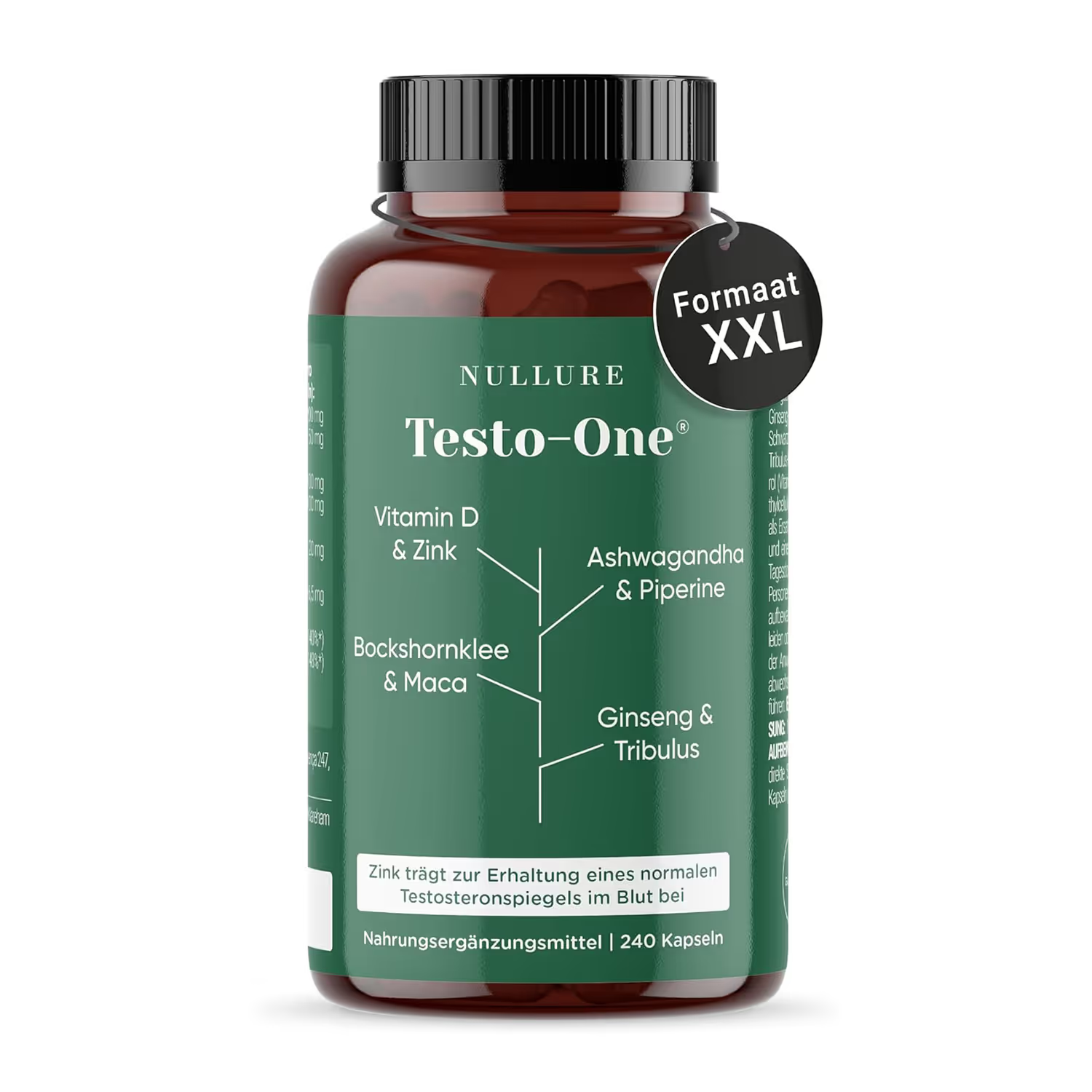
NULLURE Testo-One, 240 capsules
_img_08.avif)
_img_10.avif)
_img_11.avif)
_img_12.avif)
At Deutsches Test Institut (DTI), products are assessed holistically from a consumer perspective. For foods and dietary supplements, the performance of the test requires the manufacturer to provide corresponding external laboratory analyses. DTI does not conduct its own laboratory analyses. The submitted documents are not verified in terms of their content, but are assessed exclusively from a consumer perspective with regard to plausibility and recognizable assignment to the tested product. The manufacturer is solely responsible for the accuracy, completeness, and timeliness of these documents. Further information on classification can be found in our article “Food Warnings, Product Tests and Consumer Protection”.


- Transparent declaration of ingredients and dosage
- Externally laboratory-tested for heavy metals and other residue groups
- Two capsules per day – simple intake logic
- Designed for 2 or 4 months
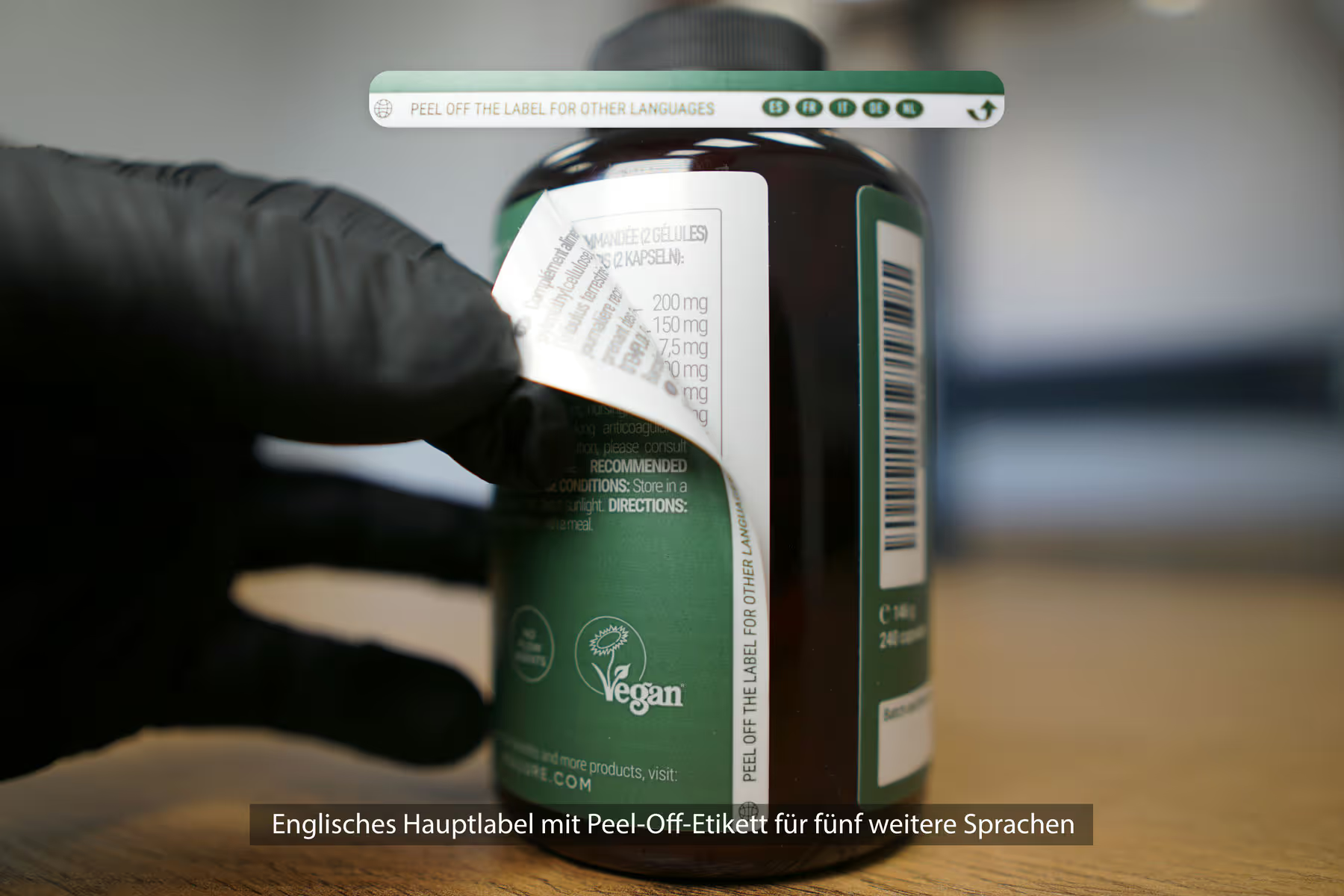
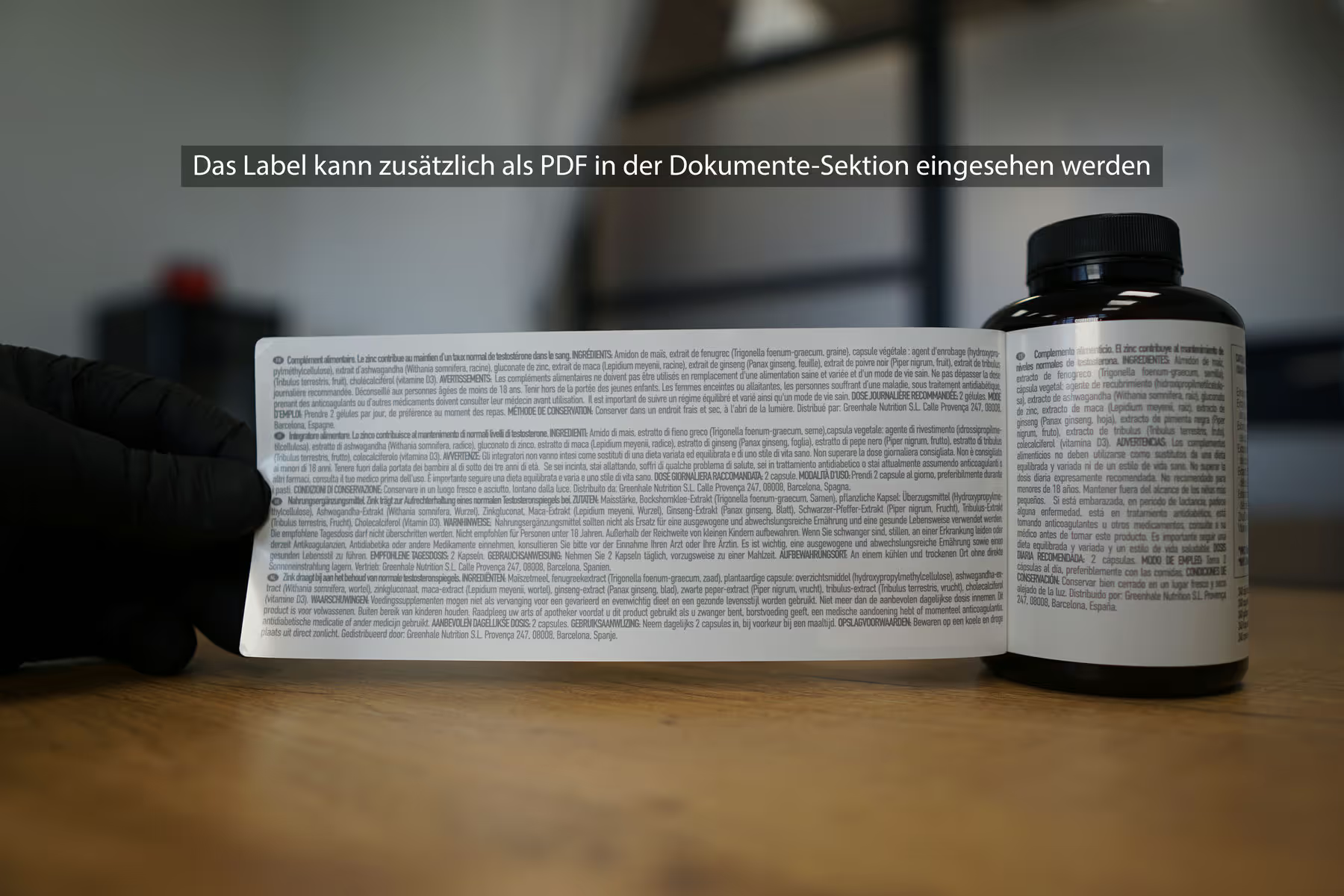
- Label with high information density
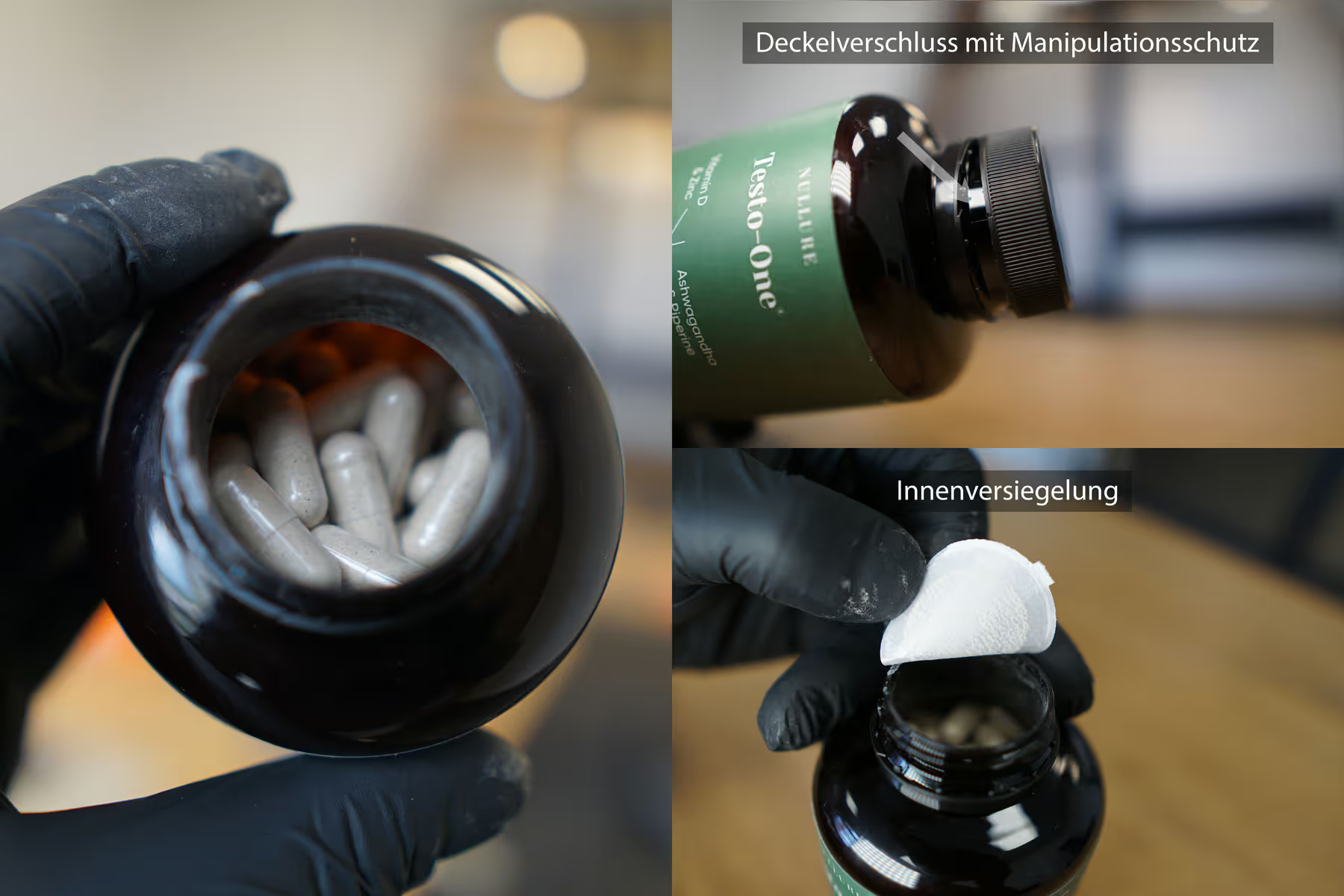
- Double tamper-evident protection
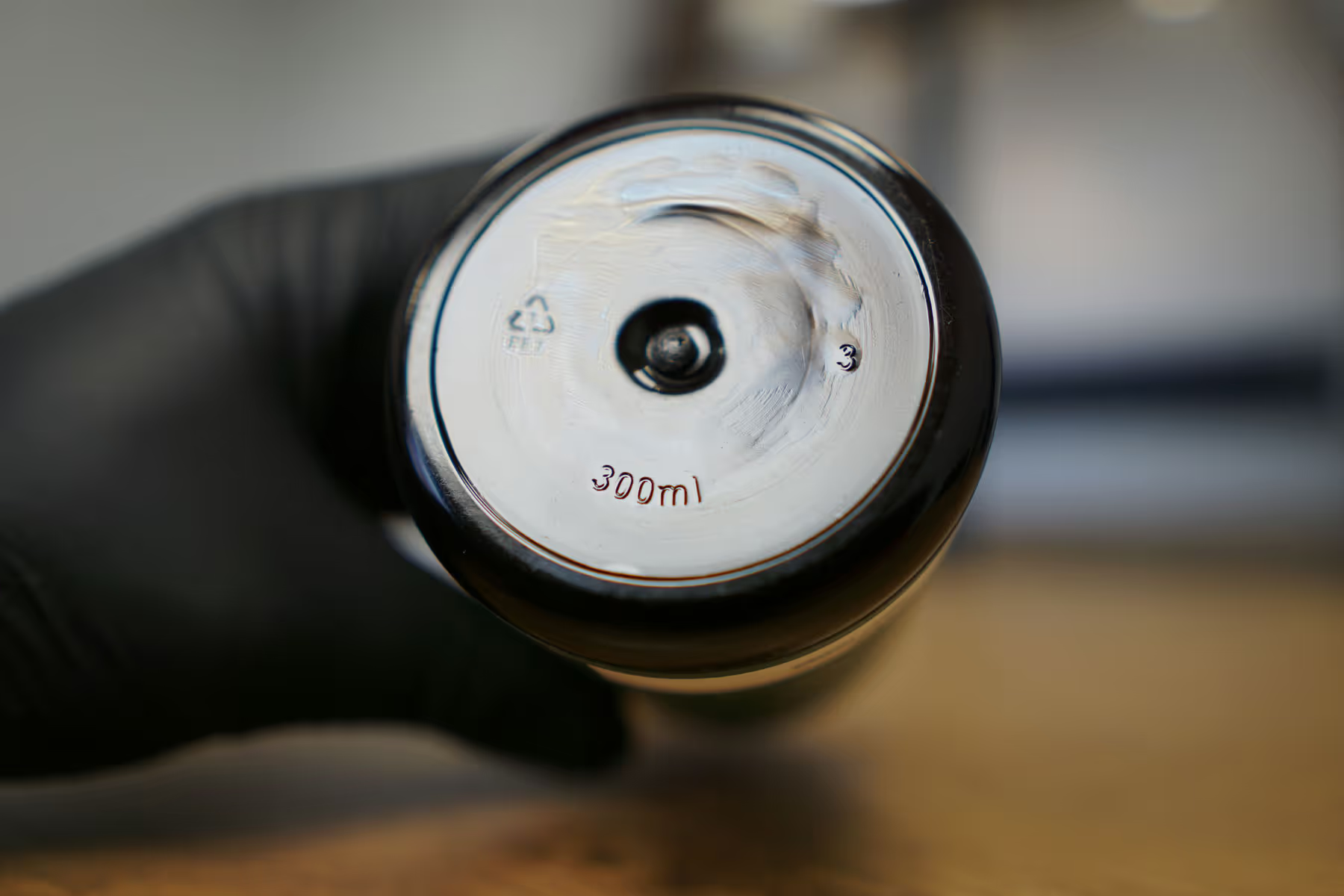
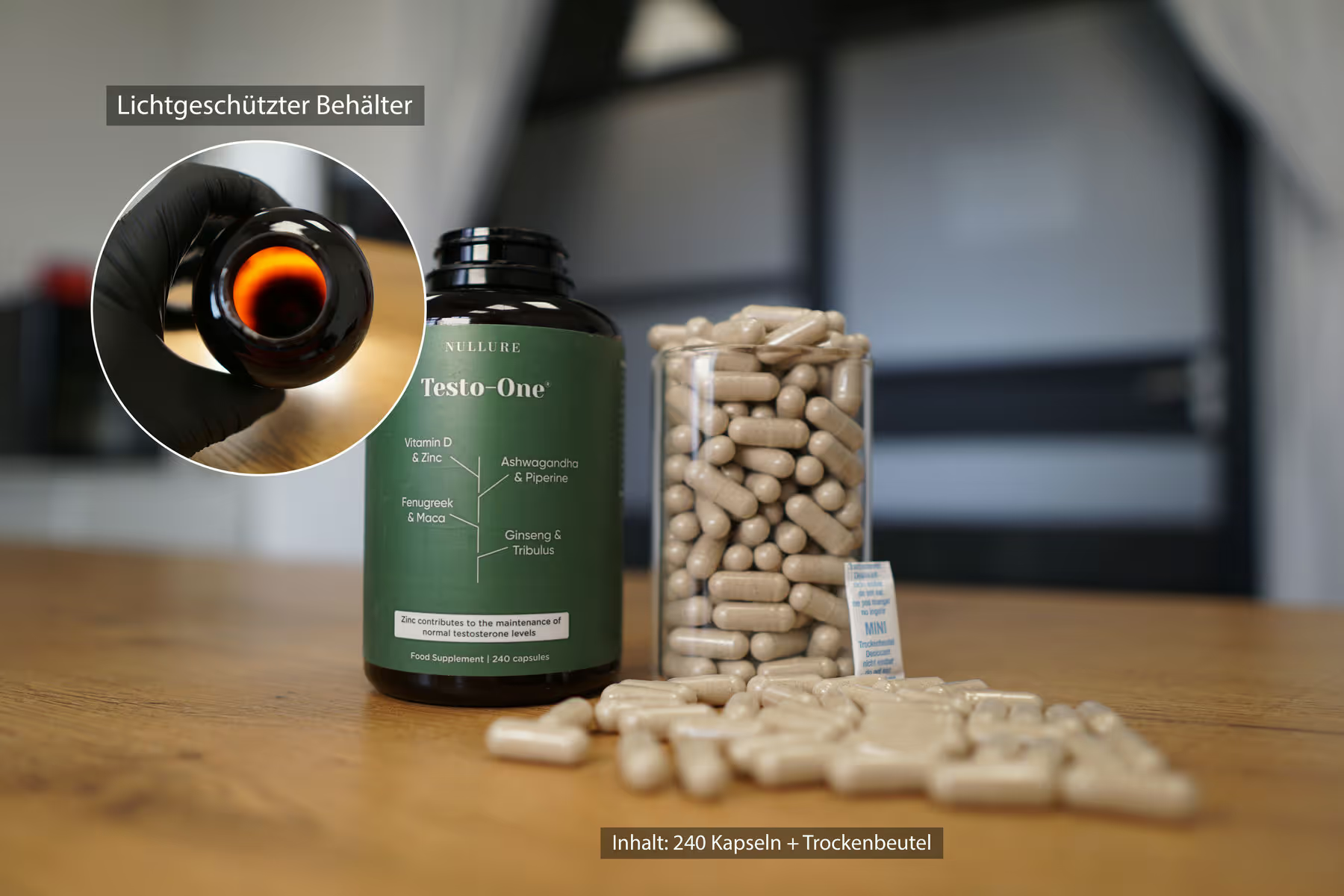
- Light-protected container


- No external laboratory testing of the declared active ingredient quantities or ingredient composition
For dietary supplements composed of multiple components, transparency is particularly important. Consumers want to be able to understand which ingredients are included, how the daily serving is structured, and whether the product arrives protected and undamaged. In the test, NULLURE Testo-One made an overall solid impression in these areas.
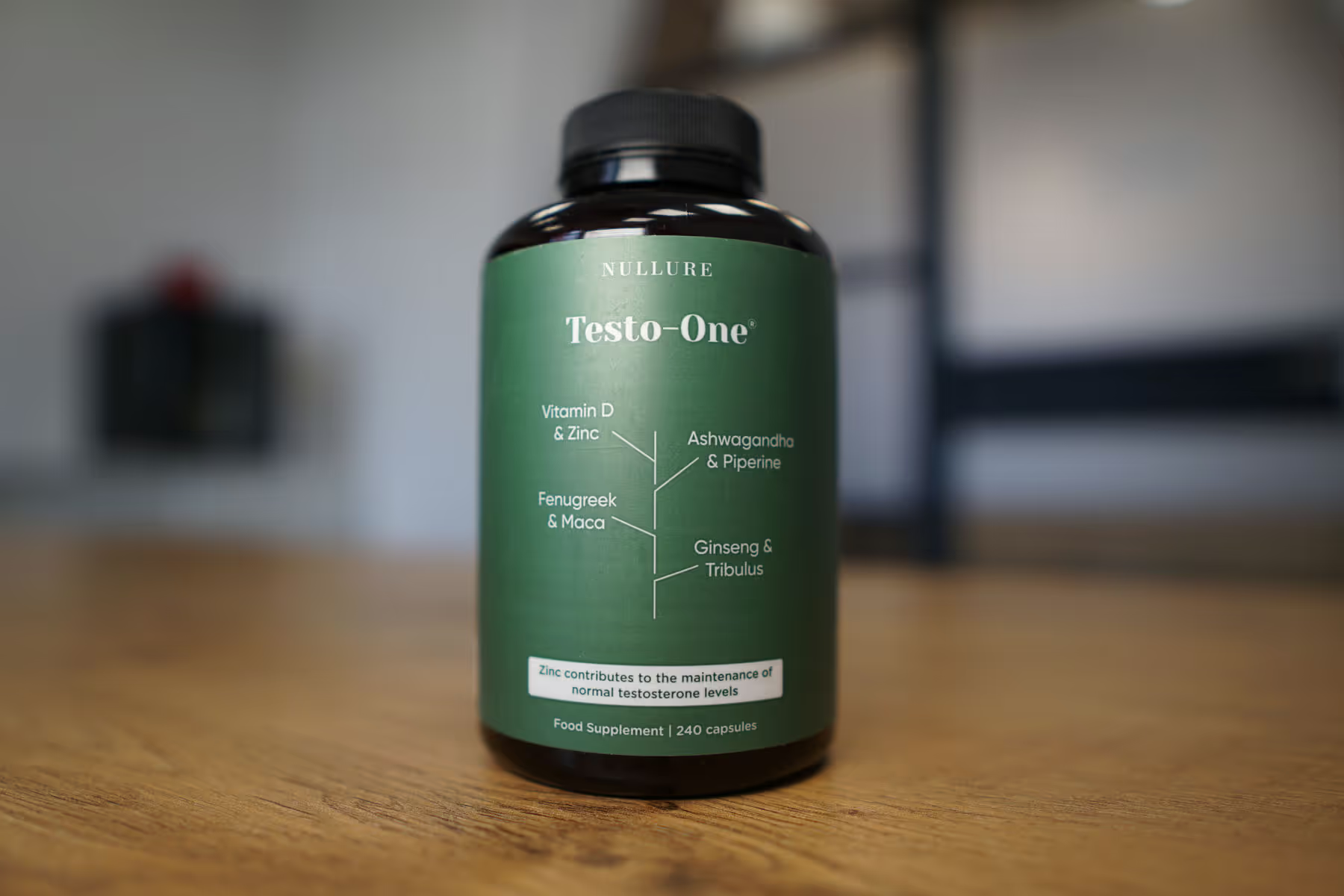
The packaging is functionally implemented and showed no relevant defects during the test. The containers appeared cleanly finished, stable, and plausibly protected from light. Before first use, the product was secured in two ways: by the safety ring on the lid and by an additional protective seal under the closure. This would make any previous opening clearly recognizable.
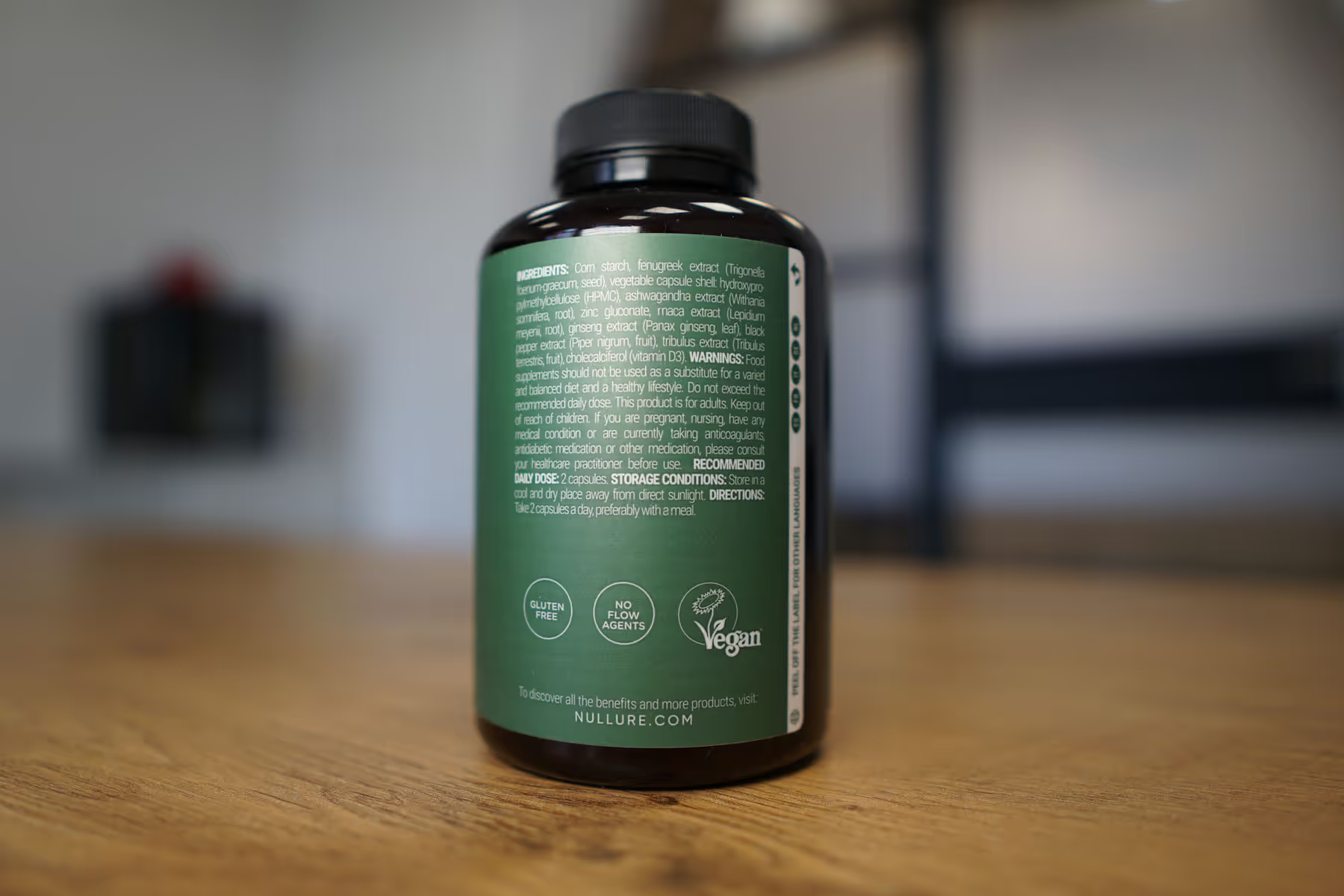
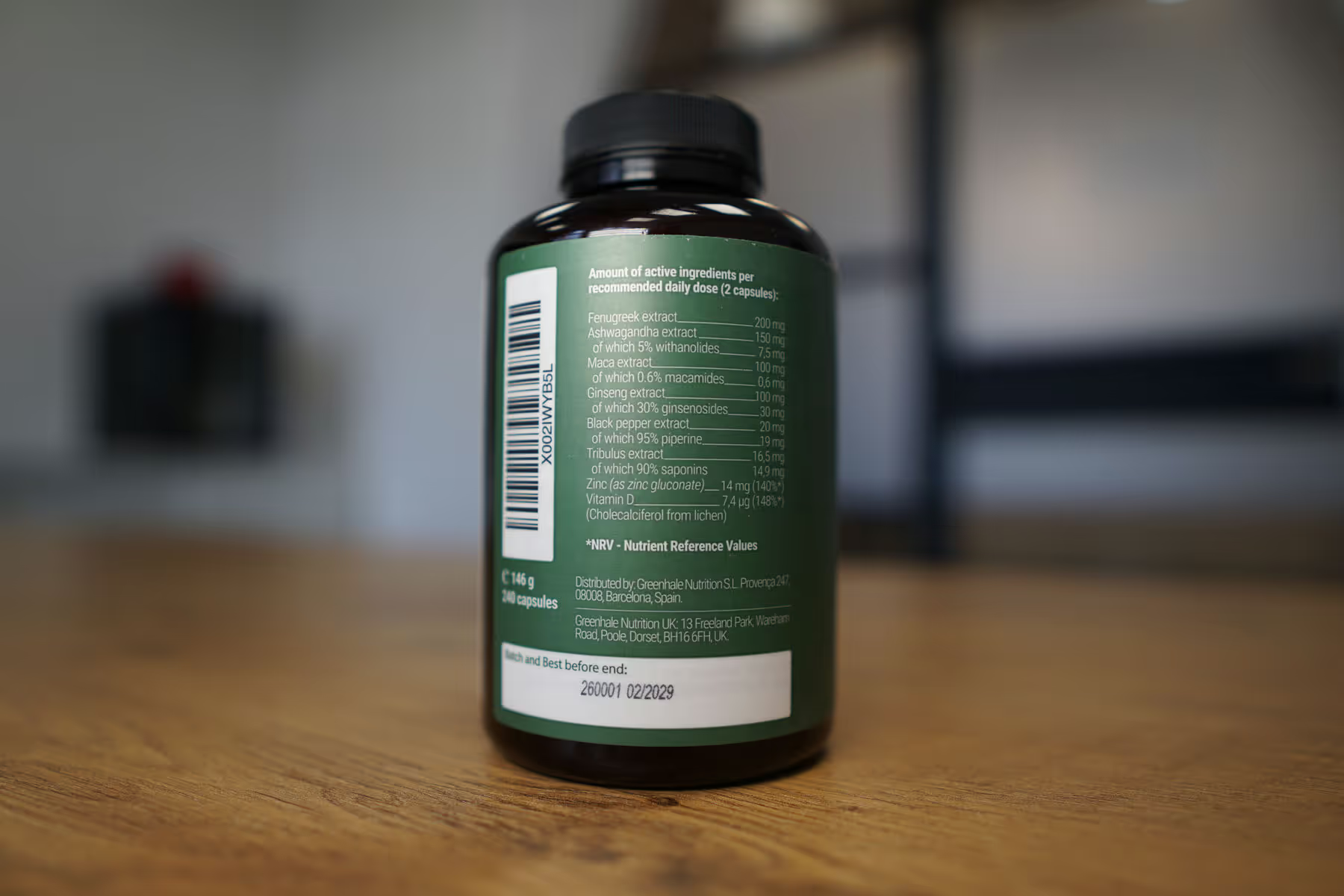
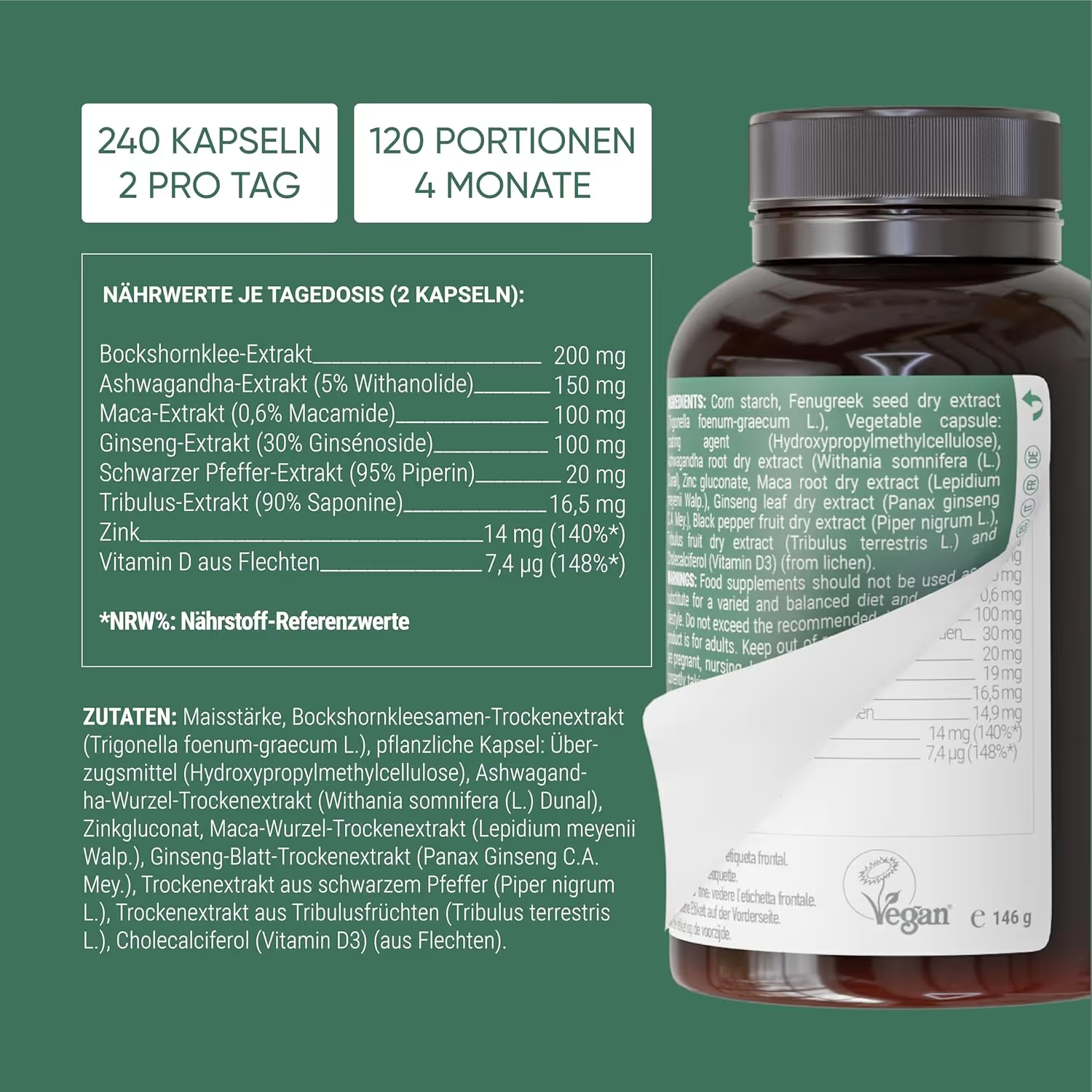
The capsules remained consistently unobtrusive during the test. They were dry, not stuck together, externally intact, and could be removed individually without difficulty. The active ingredients are stated with quantities per recommended daily serving, including fenugreek extract, ashwagandha extract, maca extract, ginseng extract, black pepper extract, tribulus extract, zinc, and vitamin D. Standardisations such as withanolides, macamides, ginsenosides, piperine, and saponins are also clearly indicated. The recommended intake is two capsules daily, preferably with a meal or with meals. Warning and storage instructions are provided, including information not to exceed the recommended daily dose, to keep the product out of reach of children, and to store it in a cool, dry place away from direct sunlight.
Differences were observed in the labels. The 120-capsule variant has a directly German-language label and appeared slightly higher quality in terms of print appearance. The 240-capsule variant has a multilingual label and is more generously laid out due to the larger container surface. In addition, individual standardisations are not only stated as percentages there, but also as specific quantities in milligrams. The German information is accessible via a multi-layer peel-off label. In terms of content, the relevant information is available; however, with the larger variant, users must actively use the peel-off label to access the German information.
External laboratory documents from AGROLAB were available for foreign substance and contamination screening. The parameters examined included heavy metals such as aluminium, lead, cadmium, mercury, and arsenic, as well as mycotoxins, polycyclic aromatic hydrocarbons, pyrrolizidine alkaloids, and microbiological parameters. Based on the parameters examined, AGROLAB classified the analysed sample as marketable in Germany. For consumers, this is relevant documentation for assessing potential contamination. However, a declaration check, and therefore a verification of the recommended daily dose or the stated active ingredient quantities, was not carried out.
When deliberately smelling inside the filled container and individual capsules, a slight earthy-spicy inherent odour was noticeable. This did not appear chemical or irritating and was attributed to the product content.
Overall, Testo-One presented itself as a properly declared dietary supplement with a clear dosage logic, unobtrusive capsule condition, double tamper-evident protection, and external documentation on foreign substances and microbiological parameters. Consumers therefore receive a product whose use and composition are easy to understand. It should be noted that the available laboratory documents cover contamination parameters, but do not provide analytical confirmation of the declared active ingredient quantities.
Note on classification: At Deutsches Test Institut (DTI), products are assessed holistically from a consumer perspective. For foods and dietary supplements, the performance of the test requires the manufacturer to provide corresponding external laboratory analyses. DTI does not conduct its own laboratory analyses. The health effect of Testo-One was also not assessed as part of the test.




_listing_02.avif)
_listing_03.avif)
_listing_04.avif)
_listing_05.avif)
_listing_07.avif)